
- +44 20 8980 2400
- 197-199 Roman Rd, Bethnal Green, E2 0QY
By Massinghams Chemist / October 23, 2026
How to Clean Ears Safely | A Complete Guide to Healthy Ears
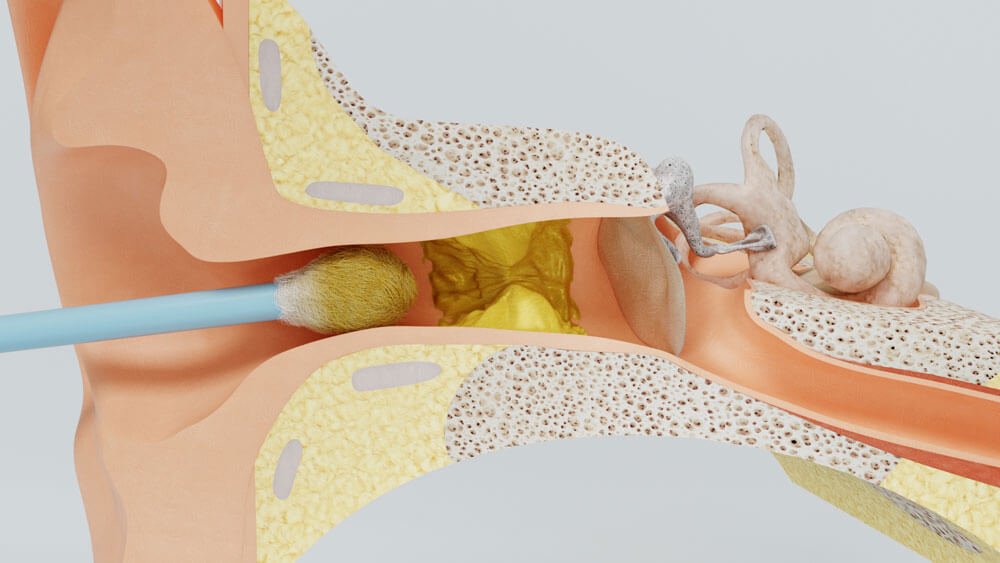
Knowing how to clean ears properly is an important part of personal hygiene, but many people are unaware that their ears already have a natural cleaning system. Earwax plays an essential role in protecting the ear canal, trapping dust and helping prevent dirt from reaching the deeper parts of the ear.
For most people, everyday ear care does not require special tools, cotton buds or frequent cleaning inside the ear canal. In fact, using the wrong cleaning methods can push earwax deeper into the ear, cause irritation and potentially damage the eardrum.
However, some people experience excessive earwax build up, blocked ears or muffled hearing. When this happens, understanding the safest treatment options can help prevent further discomfort.
At Massinghams Chemist, we understand the importance of safe ear care. If you are experiencing troublesome earwax, our earwax removal service in Bethnal Green provides a local option for professional assessment and treatment where appropriate.
In this guide, we explain how to clean ears safely at home, why earwax develops, which common cleaning mistakes to avoid and when professional earwax removal may be needed.
How to Clean Ears Safely at Home
The safest way to clean your ears is to focus on the outer ear rather than trying to remove wax from inside the ear canal.
Use a soft, clean, damp cloth to gently wipe the visible outer ear. You can clean around the folds of the ear and behind it without inserting the cloth into the canal.
For most people, this simple approach is enough to maintain everyday ear hygiene. The ear canal naturally moves earwax towards the opening, where it can gradually come away without assistance.
You should avoid inserting cotton buds, fingers, hairpins or other objects into your ears. These can push wax further inside and irritate the delicate skin lining the ear canal.
If you feel that your ears are blocked, do not assume that removing the wax yourself is the best solution. The sensation may be caused by impacted earwax, but other conditions can produce similar symptoms.
If you have persistent blockage, reduced hearing or discomfort, ask a pharmacist or another suitable healthcare professional for advice before trying to clear the ear yourself.
Why Do Our Ears Produce Earwax?
Earwax, also known as cerumen, is a natural substance produced by glands in the outer ear canal. Although some people consider it unclean, earwax performs several useful functions that help maintain ear health.
It traps dust, dirt and small particles before they travel deeper into the ear. It also helps lubricate the skin inside the ear canal, reducing dryness and irritation.
Earwax has protective properties that contribute to the ear’s natural defence system. Removing all of it is therefore unnecessary and may interfere with the ear’s normal protective processes.
Under ordinary circumstances, earwax gradually moves towards the entrance of the ear canal through natural movement, including jaw movements when talking and chewing. Once it reaches the outer ear, it usually comes away naturally.
Some people produce more earwax than others, while the consistency can vary from soft and moist to dry and firm. These differences are normal.
The aim of good ear hygiene is not to eliminate earwax completely. Instead, it is to allow the ears to function naturally while addressing any build up that causes symptoms.
What Causes Earwax Build Up?
Although earwax usually clears naturally, it can sometimes accumulate inside the ear canal and become impacted.
One common cause is using cotton buds to clean inside the ears. Rather than removing the wax, the bud can push it further towards the eardrum, increasing the likelihood of a blockage.
Some people naturally have narrow ear canals or produce thicker, drier earwax that is more difficult to move out. Age can also influence the consistency of earwax, with wax sometimes becoming harder as people get older.
Hearing aids and earplugs may contribute to wax accumulation in certain individuals by interfering with its natural movement. Excess hair in the ear canal and some skin conditions may also make build up more likely.
A blockage can cause muffled hearing, a feeling of fullness, earache or ringing in the ears. However, these symptoms are not always caused by earwax.
Ear infections and other ear conditions can produce similar problems. If symptoms persist or you are uncertain about the cause, professional assessment is important before attempting treatment.
Should You Use Cotton Buds to Clean Your Ears?
Cotton buds are widely available and often marketed for personal hygiene, but they should not be inserted into the ear canal.
The skin inside the ear is delicate, and inserting a cotton bud can cause irritation, scratches or injury. If the bud pushes wax deeper into the canal, it may make a blockage more difficult to manage.
In more serious cases, inserting objects into the ear can damage the eardrum and affect hearing.
Cotton buds can also give the impression that the ear needs frequent cleaning when the natural cleaning process is already doing its job.
Instead of using cotton buds, gently clean the visible outer ear with a damp cloth. Leave the inside of the canal alone unless a healthcare professional recommends a suitable treatment.
If you regularly experience wax build up, ask a pharmacist for advice about appropriate ear drops or professional removal. Avoid repeatedly trying to remove wax with objects, as this can make the problem worse.
Can Ear Drops Help Clean Your Ears?
Ear drops may help when earwax has accumulated and is causing a blockage. Certain products soften the wax, allowing it to move out naturally over time.
The NHS recommends olive oil or almond oil drops for suitable patients who have earwax build up. These drops do not work instantly, and the wax may take several days to soften and clear.
If you are considering olive oil drops, follow the NHS guidance and the instructions provided with the product. A pharmacist can advise whether this approach is appropriate for you.
Do not use almond oil if you have an almond allergy. Seek professional advice before using ear drops if you have a perforated eardrum, a history of ear surgery, ear pain, discharge or a suspected ear infection.
Ear drops are not necessary for everyone. If your ears feel healthy and you have no symptoms, routine treatment to remove normal earwax is generally unnecessary.
If you have tried appropriate treatment and the blockage remains, a healthcare professional can assess the ear and discuss other options.
Common Ear Cleaning Mistakes to Avoid
Many people try to clean their ears using methods they have seen online or heard about from others. Unfortunately, some of these methods can cause more harm than good.
Ear candles should be avoided because there is no reliable evidence that they remove earwax effectively. They can also cause burns and injuries.
Inserting hairpins, tweezers or other small objects into the ear canal is unsafe because it can damage the skin or eardrum. Home vacuum devices and removal tools should also be approached cautiously because they may not clear impacted wax safely.
Do not attempt to flush your ears with water unless a suitable healthcare professional has confirmed that this method is appropriate and explained how it should be performed. Ear irrigation is not suitable for everyone, particularly people with certain ear conditions or previous ear surgery.
Another common mistake is cleaning the ears too frequently. Excessive cleaning can irritate the skin and remove protective earwax.
A gentle approach is usually best. Clean the outer ear, avoid inserting objects and seek professional advice when symptoms suggest that something more than routine hygiene is needed.
When Should You Seek Professional Earwax Removal?
You should consider professional advice if you experience persistent ear blockage, muffled hearing or discomfort that does not improve with suitable home care.
Professional assessment is particularly important if you frequently experience impacted earwax, wear hearing aids or are unsure whether ear drops are safe for you.
A healthcare professional can examine the ear and determine whether wax is responsible for your symptoms. If removal is appropriate, they can explain the available methods and discuss which option is suitable for your circumstances.
Microsuction is one method used to remove earwax. It involves a specialised suction device and direct visual examination of the ear canal. A trained practitioner should assess your ears before the procedure and explain what to expect.
Not every blocked ear requires wax removal. An examination helps identify other possible causes and reduces the risk of using an unsuitable treatment.
Seek urgent medical assessment if you experience sudden hearing loss. Severe ear pain, blood or fluid coming from the ear, significant dizziness or symptoms following an injury also need prompt attention rather than routine ear cleaning.
Earwax Removal in Bethnal Green at Massinghams Chemist
If you are looking for earwax removal in Bethnal Green, Massinghams Chemist offers a local option for people experiencing troublesome earwax build up.
Our service includes professional microsuction earwax removal, subject to assessment and clinical suitability. A trained practitioner can assess the ear, explain the available options and advise whether removal is appropriate.
We understand that blocked ears can interfere with conversations, work and everyday activities. Getting suitable advice can help you understand the cause of your symptoms and choose a safer way to manage the problem.
You can visit Massinghams Chemist at:
Address: 197 to 199 Roman Road, Bethnal Green, London E2 0QY
Telephone: 020 8980 2400
Our pharmacy serves people in Bethnal Green and nearby areas of East London. Contact the team to ask about earwax removal appointments, preparation and service availability.
If you are experiencing muffled hearing or a persistent blocked sensation, our team can help you understand the next steps. You can also visit our dedicated earwax removal service page for more information.
How to Keep Your Ears Healthy in the Long Term
Maintaining healthy ears does not require an elaborate cleaning routine. In most cases, gentle external cleaning and avoiding harmful practices are enough.
Clean the outside of your ears with a soft, damp cloth and avoid inserting cotton buds or other objects into the canal. Allow your ears to manage their natural cleaning process.
If you wear hearing aids or earplugs, follow the manufacturer’s cleaning instructions and seek advice if earwax begins to affect their performance.
People who experience recurring blockages should speak to a pharmacist or healthcare professional about an appropriate care routine. Regular ear drops are not required for everyone, so treatment should be based on individual needs.
It is also important to pay attention to changes in hearing. Persistent blockage should be assessed rather than repeatedly treated at home without knowing the cause.
By following safe ear hygiene practices and seeking help when necessary, you can reduce the risk of irritation and avoid common mistakes that contribute to earwax problems.
Get Professional Advice for Healthy Ears
Learning how to clean ears safely can help you protect your hearing and avoid unnecessary discomfort. For most people, cleaning the outer ear with a soft cloth is sufficient because earwax naturally moves out of the canal.
Avoid cotton buds, ear candles and objects that can push wax deeper or damage the ear. If you experience persistent blockage, discomfort or reduced hearing, seek advice rather than attempting repeated home removal.
For people who need earwax removal in Bethnal Green, Massinghams Chemist provides a local service with professional microsuction, subject to assessment and suitability.
Contact us on 020 8980 2400 or visit our pharmacy on Roman Road to enquire about the service and available appointments. A safe approach to ear care can help you manage troublesome wax while protecting your ears over time.
Other Posts
- Private Flu Vaccine in Bethnal Green | Complete Guide for 2026 to 2027
- Private COVID Vaccination in Bow | Convenient and Professional Vaccine Services at Massinghams Chemist
- Earwax Removal in Bow | Complete Guide to Microsuction and Blocked Ears
- Travel Clinic in Bethnal Green | Your Complete Guide to Travel Health
- Infected Insect Bite Treatment in Bethnal Green A Complete Guide to Symptoms Care and Prevention