
- +44 20 8980 2400
- 197-199 Roman Rd, Bethnal Green, E2 0QY
By Massinghams Chemist / November 03, 2026
Ready to Quit Smoking? Discover How NHS Stop Smoking Services Can Help
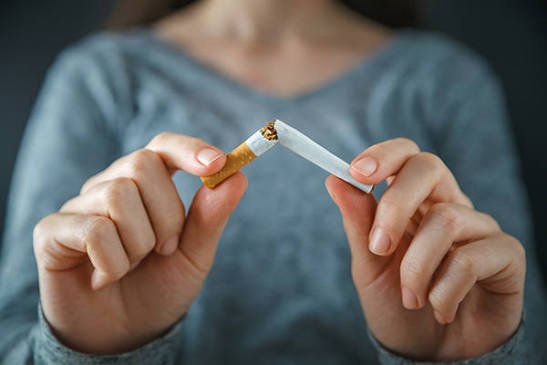
Smoking can become a difficult habit to break, especially when nicotine cravings, stress and daily routines make quitting challenging. However, deciding to stop smoking is one of the most positive steps you can take towards improving your health and quality of life.
The good news is that you do not have to quit alone. NHS stop smoking services provide access to professional advice, behavioural support and treatments that can make giving up cigarettes easier.
Whether you have smoked for several years or have already tried quitting without success, the right support can help you build healthier habits and stay motivated.
In this guide, we explore how NHS stop smoking services work, what treatments are available, the benefits of quitting and how to find NHS stop smoking service Bethnal Green support.
Why Is It Important to Stop Smoking?
Smoking affects almost every organ in the body and increases the risk of several serious health conditions. Cigarette smoke contains thousands of chemicals, including substances that can damage the lungs, blood vessels and other organs.
Long-term smoking is associated with:
- Lung cancer and other types of cancer.
- Heart disease and stroke.
- Chronic obstructive pulmonary disease (COPD).
- Breathing difficulties and reduced lung function.
- Poor circulation.
- Increased risk of respiratory infections.
Stopping smoking can improve your health at any age, even if you have smoked for many years.
Quitting also protects people around you from exposure to second-hand smoke, helping create a healthier environment for your family.
How Can NHS Stop Smoking Services Help You Quit?
Giving up cigarettes can be challenging because nicotine creates dependence. This means your body becomes accustomed to receiving nicotine regularly, and stopping suddenly can lead to cravings and withdrawal symptoms.
NHS stop smoking services are designed to provide structured assistance throughout your quitting journey.
Depending on your local service, support may include:
- One-to-one appointments with trained stop smoking advisers.
- Personalised quitting plans.
- Advice on managing nicotine cravings.
- Access to suitable stop smoking treatments.
- Regular progress reviews.
- Motivation and behavioural support.
Some services offer face-to-face appointments, while others provide telephone or online consultations.
Having professional guidance can help you identify smoking triggers, manage difficult situations and develop practical strategies to avoid returning to cigarettes.
According to the NHS, people who receive professional support are around three times more likely to quit successfully than those who try without support.
What Treatments Are Available to Help You Stop Smoking?
There is no single approach that works for everyone. The most suitable treatment depends on your smoking habits, nicotine dependence, medical history and personal preferences.
Healthcare professionals can help you understand the available options.
1. Nicotine Replacement Therapy (NRT)
Nicotine Replacement Therapy (NRT) helps reduce cravings and withdrawal symptoms by providing nicotine without the harmful chemicals found in cigarette smoke.
Common NRT products include:
- Nicotine patches.
- Nicotine chewing gum.
- Nicotine lozenges.
- Nicotine mouth sprays.
- Nicotine inhalators.
Some people benefit from combining a long-acting nicotine patch with a faster-acting product, such as gum or a spray, to manage sudden cravings.
A pharmacist can help you choose an appropriate combination based on your needs.
2. Prescription Stop Smoking Medicines
Certain prescription medicines can help people manage nicotine cravings and withdrawal symptoms.
Depending on availability and clinical suitability, options may include:
- Varenicline, which reduces nicotine cravings and the rewarding effects of smoking.
- Cytisinicline, which acts on nicotine receptors and can help reduce cravings.
- Bupropion, which may help reduce the urge to smoke.
These treatments are not suitable for everyone. A qualified healthcare professional should assess your circumstances before recommending prescription medication.
3. Behavioural Support and Counselling
Changing your smoking habits is just as important as managing physical nicotine dependence.
Smoking cessation support can help you recognise situations that trigger the urge to smoke, such as stress, drinking alcohol, social gatherings or taking work breaks.
A trained adviser can help you develop alternative routines and practical coping strategies.
Regular appointments can also provide encouragement when you experience difficult days or temporary setbacks.
What Happens During Your First Stop Smoking Appointment?
If you decide to access an NHS stop smoking service, your first appointment will usually involve discussing your smoking history, health and reasons for wanting to quit.
Your adviser may ask questions about:
- How many cigarettes you smoke each day.
- How long you have been smoking.
- When you usually experience cravings.
- Previous attempts to stop smoking.
- Any medical conditions or medicines you currently use.
You may also discuss suitable treatments and agree on a realistic quit date.
Some services use a carbon monoxide breath test to measure exposure to carbon monoxide from smoking. This can help monitor your progress as you become smoke-free.
Follow-up appointments provide an opportunity to review your progress, manage withdrawal symptoms and adjust your quitting plan if necessary.
What Are the Health Benefits of Quitting Smoking?
Your body begins recovering shortly after your last cigarette. Although the recovery process varies between individuals, several positive changes can happen relatively quickly.
Immediate and Short-Term Benefits
- Within 20 minutes, your heart rate begins moving towards its normal level.
- Within 48 hours, carbon monoxide levels in your blood fall to those of a non-smoker, and your senses of taste and smell may improve.
- Within 2 to 12 weeks, circulation improves.
- Over the following months, coughing and breathing difficulties may gradually improve.
Long-Term Benefits
Remaining smoke-free can significantly reduce your risk of developing smoking-related diseases.
Other benefits include:
- Better cardiovascular health.
- Improved lung function over time.
- Reduced risk of several cancers.
- Healthier skin and appearance.
- More money available for everyday expenses.
- A healthier environment for family members.
Every smoke-free day is a positive step towards better long-term health.
How to Manage Nicotine Cravings When Quitting
Nicotine cravings are a common part of the quitting process. They can feel particularly difficult during the first few weeks, but there are practical ways to manage them.
Consider these simple strategies:
Keep yourself occupied: Go for a walk, read a book or focus on an activity whenever you feel the urge to smoke.
Avoid common triggers: Identify situations that encourage you to smoke and consider changing your routine.
Stay hydrated: Drink water regularly throughout the day.
Use suitable NRT products: Nicotine replacement products can help control withdrawal symptoms when used correctly.
Ask for support: Speak to friends, family members or a stop smoking adviser when you need encouragement.
Remember that experiencing a craving does not mean you have failed. Focus on managing one craving at a time.
Where Can You Find an NHS Stop Smoking Service in Bethnal Green?
Finding accessible support can make your quitting journey easier. If you live or work in East London, you can explore local smoking cessation services and pharmacy support.
If you are searching for an NHS stop smoking service Bethnal Green, one local option is Quit Right Stepney Green, an NHS-listed stop smoking service located at 2 Stayner’s Road, Stepney Green, London E1 4AH.
You can also contact Massinghams Chemist, located at 197–199 Roman Road, Bethnal Green, London E2 0QY, to enquire about its stop smoking support, available treatments and appropriate local NHS referral options.
Before arranging an appointment, consider the following:
- Ask which stop smoking services are currently available.
- Check whether you qualify for free NHS support.
- Discuss suitable nicotine replacement products.
- Share details of any existing health conditions or medications.
- Ask how regular follow-up support can be arranged.
It is worth remembering that the nationally commissioned NHS Community Pharmacy Smoking Cessation Service is specifically designed for eligible patients referred from hospital after starting treatment there. Other local stop smoking services may have different access arrangements.
You can also find local NHS support through the NHS service finder or contact the Smokefree National Helpline on 0300 123 1044.
Final Thoughts: Take the First Step Towards a Smoke-Free Life
Quitting smoking may not happen overnight, but making the decision to stop is an important beginning. With the right combination of professional guidance, suitable treatments and personal commitment, you can improve your chances of becoming smoke-free.
NHS stop smoking services offer valuable support to people who want to overcome nicotine dependence and develop healthier lifestyles.
Whether you need help choosing nicotine replacement therapy, managing cravings or creating a personalised quitting plan, speaking to a healthcare professional can help you find an approach that works for you.
If you are based in East London, explore NHS stop smoking service Bethnal Green options and contact Massinghams Chemist to ask about available stop smoking support.
You do not have to wait for the perfect moment. Taking your first step today can help you build a healthier future.
Vaccine prices
We keep our pricing clear, so you know what to expect before you book. Any treatment or vaccination is always subject to a pharmacist’s assessment, and your exact cost is confirmed before you go ahead with anything.
Frequently Asked Questions
Yes. Local NHS Stop Smoking Services in England generally provide free professional advice and behavioural support. The cost and availability of individual treatments may depend on the service and prescription arrangements.
The length of support depends on the local programme. Many structured programmes provide weekly support for around 12 weeks, helping people manage cravings, review progress and maintain their smoke-free lifestyle.
Combining behavioural support with suitable stop smoking treatments, such as Nicotine Replacement Therapy (NRT) or prescription medicines, can improve your chances of quitting successfully. A healthcare professional can help identify the most appropriate approach.
Nicotine patches may be available through local stop smoking programmes or other NHS treatment pathways, depending on eligibility and local arrangements. Your pharmacist or stop smoking adviser can explain the available options.
You can explore local NHS support through services such as Quit Right Stepney Green or contact Massinghams Chemist on Roman Road to enquire about available pharmacy stop smoking support and referral options.
Other Posts
- Private Flu Vaccine in Bethnal Green | Complete Guide for 2026 to 2027
- Private COVID Vaccination in Bow | Convenient and Professional Vaccine Services at Massinghams Chemist
- Earwax Removal in Bow | Complete Guide to Microsuction and Blocked Ears
- Travel Clinic in Bethnal Green | Your Complete Guide to Travel Health
- Infected Insect Bite Treatment in Bethnal Green A Complete Guide to Symptoms Care and Prevention