You can contact Massinghams Chemist in Bethnal Green to enquire about typhoid vaccination, available appointments and travel health advice. Booking in advance is recommended, particularly during busy travel periods.

Menu
- +44 20 8980 2400
- 197-199 Roman Rd, Bethnal Green, E2 0QY
Menu
By Massinghams Chemist / November 05, 2026
How Does the Typhoid Fever Vaccine Protect You? Benefits, Timing and Safety
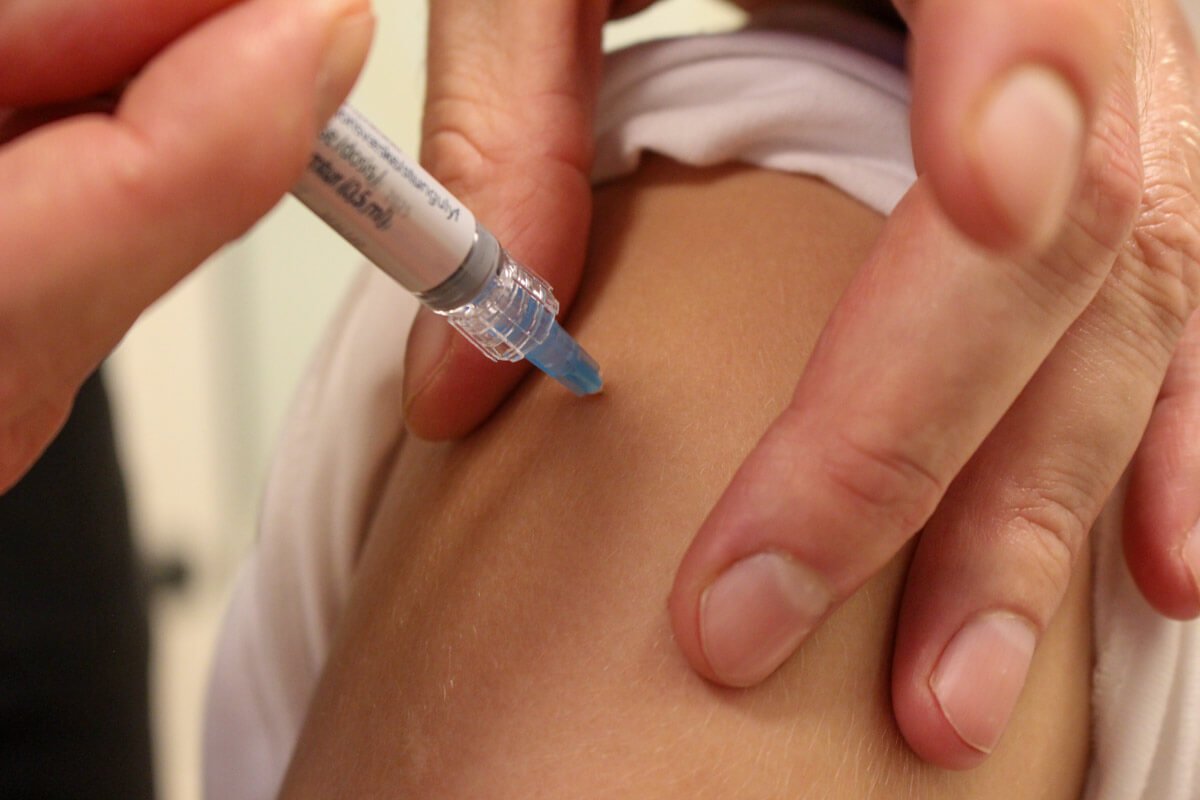
Travelling abroad can be an exciting experience, whether you are visiting family, exploring new destinations or travelling for business. However, visiting certain countries can expose you to infections that are less common in the UK. One important illness travellers should understand is typhoid fever.
Typhoid is a bacterial infection that can cause serious illness if it is not treated promptly. Fortunately, vaccination can help reduce the risk of infection, particularly for people travelling to destinations where typhoid is more common.
The typhoid fever vaccine is an important consideration when preparing for international travel. Understanding how it works, who needs it, when to get vaccinated and what side effects to expect can help you make informed decisions about your health.
In this guide, we explore the benefits of the typhoid vaccine, how it protects your body and where to arrange a Typhoid vaccine in Bethnal Green before your next trip.
What Is Typhoid Fever and How Does It Spread?
Typhoid fever is an infectious disease caused by a bacterium called Salmonella Typhi. It spreads through contaminated food and water, particularly in areas where sanitation and access to clean drinking water are limited.
People can become infected by consuming food prepared using contaminated water or eating food handled by someone carrying the bacteria.
Common symptoms of typhoid fever include:
- Persistent high temperature.
- Headaches.
- Weakness and tiredness.
- Stomach pain.
- Constipation or diarrhoea.
- Loss of appetite.
- Feeling generally unwell.
Symptoms usually develop within one to three weeks after exposure, although the incubation period can vary.
Without appropriate medical treatment, typhoid fever can lead to serious complications, including intestinal bleeding and perforation. Anyone experiencing symptoms after travelling to a country where typhoid is common should seek medical advice promptly.
How Does the Typhoid Fever Vaccine Protect You?
The typhoid fever vaccine helps your immune system recognise and respond to the bacteria responsible for typhoid infection.
Vaccination prepares your body’s natural defence system to identify specific components of Salmonella Typhi. If you are exposed to the bacteria later, your immune system can respond more effectively.
There are two main types of typhoid vaccination available:
1. Injectable Typhoid Vaccine
The injectable typhoid vaccine contains purified components of the bacteria rather than live bacteria. It helps your immune system develop protection against typhoid fever.
It is commonly recommended for travellers aged two years and above who are visiting areas where the infection is prevalent.
A single injection is generally given at least two weeks before potential exposure. A booster is recommended every three years if the risk of exposure continues.
2. Oral Typhoid Vaccine
The oral typhoid vaccine contains a weakened live strain of the bacteria and is taken as a course of capsules.
It is generally suitable for eligible people aged six years and above. The capsules are taken on alternate days according to the manufacturer’s instructions.
This vaccine is not suitable for everyone, including certain people with weakened immune systems. A healthcare professional can advise which option is appropriate for you.
Both vaccines help reduce the risk of typhoid fever, but neither provides complete protection. Travellers should continue practising good food and water hygiene.
Who Should Get the Typhoid Fever Vaccine?
The typhoid vaccination is particularly recommended for people travelling to countries where typhoid fever is common.
You may need to consider vaccination if you are:
- Travelling to South Asia, including Pakistan, India and Bangladesh.
- Visiting friends or relatives in areas with a higher risk of typhoid.
- Staying in locations with limited sanitation facilities.
- Travelling for an extended period.
- Visiting rural areas where access to clean water may be limited.
People visiting family in countries where typhoid is more common may have increased exposure because they often stay longer and eat locally prepared food.
Children travelling to higher-risk destinations may also need vaccination, depending on their age and medical suitability.
Your travel history, destination and planned activities can help determine whether vaccination is recommended.
When Should You Get the Typhoid Vaccine Before Travelling?
Timing is an important part of travel vaccination planning. Ideally, you should arrange a travel health appointment around six to eight weeks before departure.
For the injectable typhoid fever vaccine, vaccination should generally take place at least two weeks before potential exposure.
The oral vaccine course must also be completed according to the recommended schedule before travel.
Booking early gives you enough time to discuss other recommended vaccinations and receive advice about protecting yourself during your journey.
If your departure date is approaching, speak to a pharmacist or travel health professional as soon as possible.
What Are the Benefits of the Typhoid Vaccine?
Getting vaccinated before travelling can provide several important health benefits.
Reduces the Risk of Typhoid Infection
The main benefit of the typhoid fever vaccine is that it reduces your chances of developing typhoid fever after exposure to the bacteria.
Helps Protect Frequent Travellers
People who regularly visit countries where typhoid is common may benefit from keeping their vaccination status up to date.
Supports Safer Family Travel
Families travelling together can discuss vaccination requirements for adults and children to help reduce avoidable health risks.
Provides Peace of Mind
Preparing your vaccinations before departure can make travel planning easier and help you feel more confident about managing potential health risks.
Remember that vaccination does not replace safe food and water practices.
Are There Any Side Effects of the Typhoid Vaccine?
Like other vaccinations, the typhoid vaccine can cause temporary side effects. Most reactions are mild and usually disappear within a few days.
Common side effects of the injectable vaccine include:
- Pain or tenderness around the injection site.
- Redness or swelling.
- Mild fever.
- Headaches.
- General tiredness.
- Muscle aches.
The oral vaccine may cause temporary stomach discomfort, nausea or diarrhoea in some people.
Serious allergic reactions are rare. If you experience difficulty breathing, swelling of the face or throat, or another severe reaction after vaccination, seek emergency medical assistance.
Before vaccination, tell your healthcare professional about any allergies, medical conditions, pregnancy or medicines you are taking.
Where Can You Get a Typhoid Vaccine in Bethnal Green?
If you are travelling from East London, arranging your travel vaccinations locally can make preparing for your journey more convenient.
If you are looking for a Typhoid vaccine in Bethnal Green, you can contact Massinghams Chemist to enquire about available travel vaccination services, appointment arrangements and vaccine availability.
Before booking your appointment, consider the following:
- Share your travel destination and departure date.
- Bring your previous vaccination records.
- Discuss whether you need the injectable or oral vaccine.
- Ask about other recommended travel vaccinations.
- Confirm the cost and availability of your chosen vaccine.
A pharmacist or qualified travel health professional can assess your individual requirements and help you prepare for a safer journey.
How Can You Protect Yourself from Typhoid While Travelling?
Vaccination is an important preventative measure, but additional precautions can help reduce your exposure to contaminated food and water.
Follow these simple practices:
- Drink bottled, sealed or appropriately treated water.
- Avoid ice if you are unsure whether it has been made using safe water.
- Wash your hands regularly, particularly before eating.
- Choose freshly prepared and thoroughly cooked meals.
- Avoid raw or unwashed fruit and vegetables unless you can prepare them safely.
- Be careful when buying food from places where hygiene standards are uncertain.
Combining vaccination with good hygiene habits can help reduce your risk of developing travel-related infections.
Final Thoughts
Typhoid fever is a preventable travel-related infection that can cause serious illness without appropriate treatment. Getting vaccinated before visiting higher-risk destinations is an important step towards protecting your health.
The typhoid fever vaccine helps your immune system defend against Salmonella Typhi, reducing your risk of infection. Understanding the available vaccine types, recommended timing and possible side effects can help you prepare properly.
If you are travelling internationally, consider arranging a travel health consultation well before departure. For people living in East London, contacting Massinghams Chemist about a Typhoid vaccine in Bethnal Green can be a convenient starting point for discussing your vaccination needs.
Plan ahead, follow good food and water hygiene and enjoy your travels with greater peace of mind.
Vaccine prices
We keep our pricing clear, so you know what to expect before you book. Any treatment or vaccination is always subject to a pharmacist’s assessment, and your exact cost is confirmed before you go ahead with anything.
Frequently Asked Questions
The injectable typhoid vaccine generally provides protection for around three years. A booster is recommended every three years for people who remain at risk. The oral vaccine has a different booster schedule, so follow professional advice.
The injectable vaccine should generally be administered at least two weeks before potential exposure. It is advisable to arrange your travel vaccination appointment around six to eight weeks before departure.
No. The typhoid vaccine reduces the risk of infection but does not provide complete protection. Maintaining good food and water hygiene remains important when travelling.
Yes. Eligible children can receive the injectable vaccine from two years of age or the oral vaccine from six years of age. A healthcare professional can advise on the most appropriate option.
This page is general information and is not a substitute for medical advice. Speak to your pharmacist or GP about your own health.
Other Posts
- Private Flu Vaccine in Bethnal Green | Complete Guide for 2026 to 2027
- Private COVID Vaccination in Bow | Convenient and Professional Vaccine Services at Massinghams Chemist
- Earwax Removal in Bow | Complete Guide to Microsuction and Blocked Ears
- Travel Clinic in Bethnal Green | Your Complete Guide to Travel Health
- Infected Insect Bite Treatment in Bethnal Green A Complete Guide to Symptoms Care and Prevention