
UTI Care in Bethnal Green: Symptoms, Treatment and When to Visit a Pharmacist
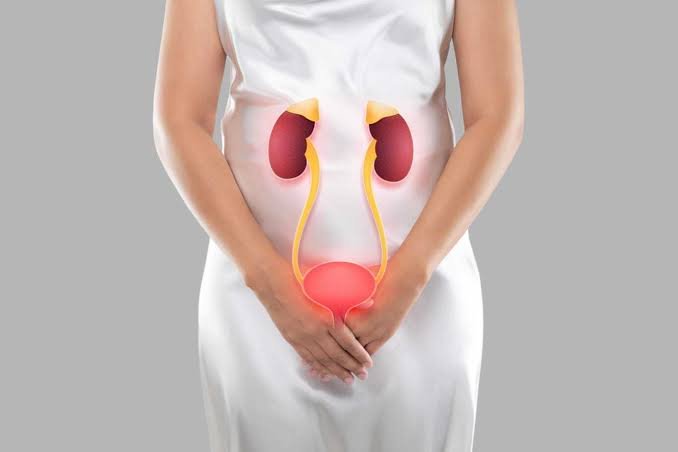
A urinary tract infection can be uncomfortable and disruptive, affecting everyday activities, sleep and general wellbeing. Symptoms such as a burning sensation when passing urine, frequent trips to the toilet and discomfort in the lower abdomen can make even a normal day difficult. Knowing where to seek advice is an important first step towards receiving appropriate care. If you are looking for UTI care in Bethnal Green, a local pharmacy may be a convenient place to start. Massinghams Chemist, located on Roman Road in Bethnal Green, provides pharmacy services, including support for eligible patients through the NHS Pharmacy First service. In this guide, we explain the common signs of a urinary tract infection, how a pharmacist may help, what treatment can involve and when you should contact another healthcare professional. What Is a Urinary Tract Infection? A urinary tract infection, commonly known as a UTI, is an infection affecting part of the urinary system. This system includes the bladder, kidneys, ureters and urethra. Most uncomplicated UTIs affect the bladder, although an infection can sometimes spread to the kidneys and require more urgent medical attention. UTIs commonly occur when bacteria enter the urinary tract and multiply. They are more common in women because the urethra is shorter, making it easier for bacteria to reach the bladder. Although UTIs can be unpleasant, appropriate assessment and treatment can help manage the infection and reduce the risk of complications. It is important not to assume that every urinary symptom is caused by a UTI, as other conditions can produce similar symptoms. What Are the Common Symptoms of a UTI? Recognising the symptoms of a urinary tract infection can help you decide when to seek professional advice. Symptoms may develop over a short period and can vary from person to person. One common sign is a burning or painful sensation when passing urine. You may also feel the need to urinate more frequently than usual, even when only a small amount of urine passes. Some people experience a sudden and urgent need to use the toilet. Other possible symptoms include cloudy urine, discomfort in the lower abdomen and blood in the urine. Urine that appears darker or has a stronger smell can have several causes, including dehydration, so these signs alone do not necessarily confirm an infection. A fever, shivering, pain in the back just below the ribs or feeling significantly unwell may indicate a more serious infection. These symptoms should not be ignored. If you notice symptoms that concern you, seek advice from a pharmacist or another appropriate healthcare professional. Early assessment can help determine the most suitable next step. How Can a Pharmacy Help With UTI Treatment in Bethnal Green? Many people assume that they must always arrange a GP appointment before receiving help for a suspected UTI. However, eligible patients in England may be able to access assessment and treatment through the NHS Pharmacy First service. Under this service, participating community pharmacies can assess certain uncomplicated UTIs in eligible women aged between 16 and 64 who are not pregnant or breastfeeding. The pharmacist will ask questions about your symptoms, medical history and other relevant factors to determine whether the service is appropriate. The assessment helps the pharmacist decide whether treatment can be provided through the pharmacy or whether you need to contact your GP or another healthcare service. Where clinically appropriate, treatment may include an antibiotic supplied under the relevant NHS service arrangements. Antibiotics are not suitable for every urinary symptom, and the decision depends on the assessment and applicable clinical guidance. At Massinghams Chemist, patients in Bethnal Green can ask the pharmacy team about the available UTI care service and whether they meet the eligibility criteria. The service is designed to make appropriate care more accessible while ensuring that patients who need additional medical assessment are directed to the right place. What Happens During a Pharmacy UTI Assessment? If you visit a pharmacy with suspected UTI symptoms, the pharmacist will first establish what you are experiencing. You may be asked when your symptoms started, whether they are getting worse and whether you have experienced similar infections before. The pharmacist may also ask about your current medicines, allergies, pregnancy status and relevant medical conditions. These details help determine whether pharmacy treatment is suitable and whether a different care pathway is necessary. A urine sample is not always required to assess a suspected UTI. The pharmacist will follow the relevant clinical guidance and decide whether further investigation is needed. If the assessment indicates that pharmacy treatment is appropriate, the pharmacist will explain the available option and how to use any medicine supplied. You should follow the instructions provided and ask questions if anything is unclear. If your symptoms suggest a more serious infection, or you fall outside the eligibility criteria, the pharmacist may recommend contacting your GP, NHS 111 or another healthcare service. How Can You Help Relieve UTI Discomfort? While arranging appropriate medical advice, there are simple measures that may help you feel more comfortable. Drink enough fluids throughout the day to avoid dehydration. Passing pale urine regularly can be a useful indication that you are drinking enough, although fluid requirements vary between individuals. If you have been advised to restrict fluids because of a medical condition, follow your healthcare professional’s advice. Rest when you need to and avoid drinks that seem to irritate your bladder. Some people find that coffee, alcohol and certain fruit juices make urinary discomfort more noticeable. A suitable pain relief medicine may help with discomfort, but it is important to check that it is appropriate for your age, medical history and other medicines. A pharmacist can advise you about suitable options. Cranberry products and urinary alkalising sachets should not be relied upon to treat an infection that has already started. They are not substitutes for an appropriate clinical assessment or prescribed treatment. If you receive antibiotics, take them exactly as directed by your healthcare professional. Do not share antibiotics with anyone else or use leftover medicines
Private COVID Vaccine in Bow | Your Guide to Vaccination in East London
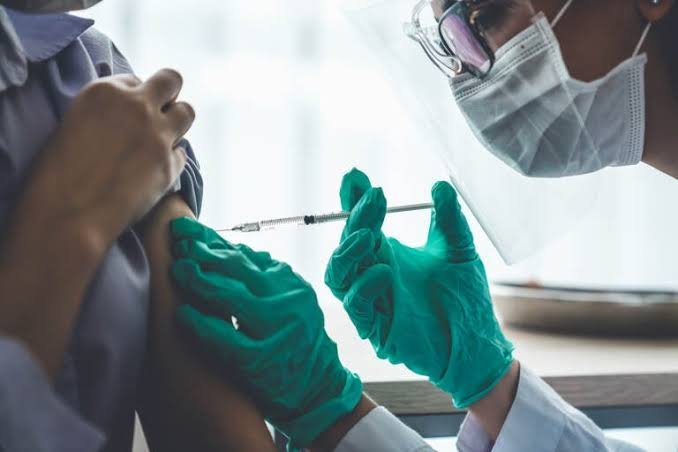
If you are looking for a private COVID vaccine in Bow, finding a convenient pharmacy that offers professional vaccination services can help you make an informed decision about your health. Although the NHS provides COVID vaccination to eligible groups during seasonal campaigns, some people may wish to explore private vaccination options when they are not eligible for an NHS dose. Massinghams Chemist offers a private COVID vaccination service at its pharmacy on Roman Road in Bethnal Green, serving people from Bow and the surrounding areas of East London. Before booking, it is important to understand how private COVID vaccination works, who may be suitable for the service and what to expect during an appointment. This guide explains the benefits of COVID vaccination, the difference between private and NHS services, how to prepare for your appointment and how to contact Massinghams Chemist for further information. What Is a Private COVID Vaccine? A private COVID vaccine is a vaccination obtained through a paid healthcare service rather than through the NHS vaccination programme. It may be an option for people who wish to explore vaccination outside the groups covered by the current NHS campaign, subject to the availability of an appropriate vaccine and a clinical assessment. COVID vaccination helps the immune system recognise the virus responsible for COVID 19. This prepares the body to respond if it encounters the virus in the future. Vaccination is particularly important for people who may be at greater risk of serious illness, although the level of protection can vary between individuals. The availability of private COVID vaccination depends on the provider, the vaccine supplied and the person’s medical circumstances. A pharmacist or another appropriately qualified healthcare professional can explain whether a private vaccination is suitable for you. If you are searching for a private COVID vaccine in Bow, contacting a local pharmacy before travelling is a practical way to confirm the latest service information. Why Consider a Private COVID Vaccine in Bow? People have different healthcare needs, and not everyone will qualify for a free NHS COVID vaccine during every seasonal campaign. Private vaccination may offer an additional option for people who want to discuss their circumstances with a healthcare professional. For residents of Bow, Bethnal Green and nearby East London neighbourhoods, a local pharmacy can provide a convenient place to ask questions about vaccination and arrange an appointment if the service is suitable and available. Some people may be considering vaccination because they want to review their protection against COVID 19, while others may have questions about previous vaccinations or their eligibility for another dose. A consultation can help address these concerns and clarify the options available. However, private vaccination is not automatically appropriate for everyone. A healthcare professional must consider your age, medical history, previous vaccination dates, recent COVID infection and any relevant precautions before confirming whether vaccination can proceed. Private COVID Vaccine Versus NHS COVID Vaccination Understanding the difference between private and NHS COVID vaccination can help you decide which service to contact. The NHS COVID vaccination programme in England is designed for groups identified in national guidance as being at increased risk of serious illness. Eligibility can change between seasonal campaigns, so you should check the latest NHS advice before assuming that you do not qualify. NHS vaccination is free for eligible people during the authorised programme. Private vaccination is a separate paid service, and availability depends on the provider and the vaccine offered. It is also important to understand that NHS supplied COVID vaccines cannot be used to vaccinate private patients under the NHS England community pharmacy service specification. A private provider must arrange an appropriate supply for its private service. If you are eligible for an NHS vaccination, you may wish to use the NHS booking service. If you are not eligible or want to explore a private option, contact Massinghams Chemist to ask about current availability, eligibility requirements and pricing. You can find official information through the NHS COVID vaccine guidance. Who May Be Suitable for a Private COVID Vaccine? Suitability for private COVID vaccination depends on the service criteria, the vaccine available and an individual’s health circumstances. Age restrictions and the recommended interval between vaccination and a recent COVID infection may also apply. Before making an appointment, be prepared to explain when you last received a COVID vaccine, whether you have recently had COVID 19 and whether you have any relevant medical conditions. You should also tell the healthcare professional about allergies, previous reactions to vaccines, medicines you take and any ongoing treatment that could affect your immune system. People with certain health conditions or a history of serious allergic reactions may require additional assessment. If you are pregnant, have a weakened immune system or are receiving treatment for a significant medical condition, ask a qualified healthcare professional for individual advice. Do not assume that a private service is suitable simply because you are outside the NHS eligibility criteria. A clinical assessment is important to help establish whether vaccination is appropriate. How to Book a Private COVID Vaccine Near Bow Booking a private COVID vaccine appointment can be straightforward when you confirm the necessary details in advance. Start by contacting Massinghams Chemist to ask whether private COVID vaccination appointments are currently available. Confirm the minimum age, clinical eligibility requirements, price and any recommended interval after a previous vaccination or COVID infection. You can visit the pharmacy website at Massinghams Chemist to review its services and find the relevant contact or booking information. Massinghams Chemist is located at 197 to 199 Roman Road, Bethnal Green, London E2 0QY. The pharmacy is conveniently positioned for people travelling from nearby areas, including Bow. Before visiting, confirm the appointment arrangements and check whether you need to complete a health questionnaire. It is also sensible to ask what documentation or medical information you should bring. Confirming these details beforehand can help avoid an unnecessary journey and ensure you understand the service before making a decision. What Happens During a COVID Vaccine Appointment? A
Private Flu Vaccine in Bethnal Green | Complete Guide for 2026 to 2027
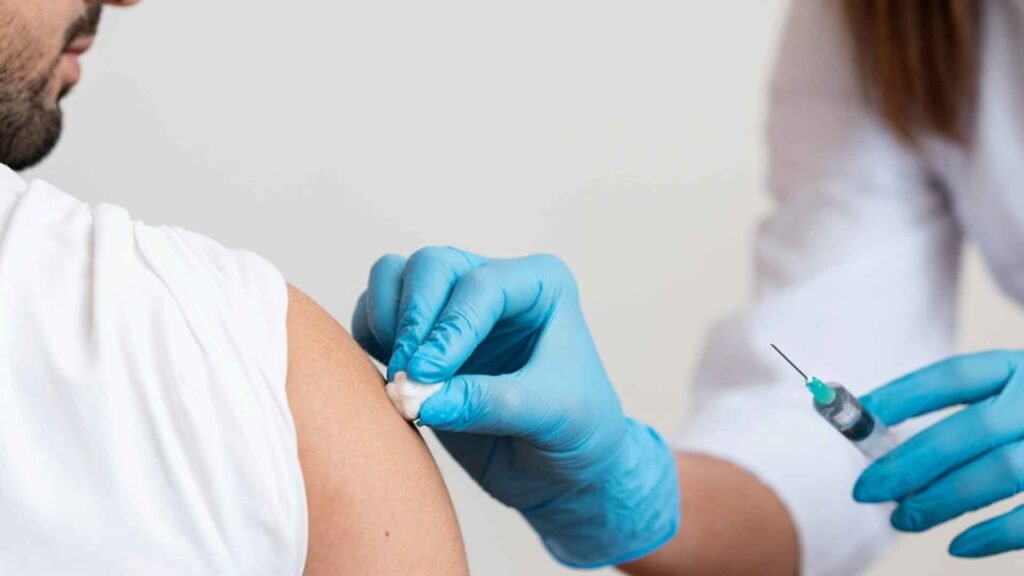
Flu is a common seasonal infection that can affect people throughout the autumn and winter months. While many people recover from flu without serious problems, the illness can cause uncomfortable symptoms and can sometimes lead to complications, particularly for people who are more vulnerable to serious infection. Getting vaccinated is one of the main ways to help protect yourself against seasonal flu. The flu vaccine is updated each year to provide protection against the influenza viruses expected to circulate during the coming season. For people who are not eligible for a free NHS flu vaccination, a private flu vaccine can provide another option. If you are looking for a private flu vaccine in Bethnal Green, a local pharmacy can provide a convenient way to arrange seasonal vaccination, subject to clinical assessment and vaccine availability. Massinghams Chemist provides a private flu vaccination service from its pharmacy on Roman Road in Bethnal Green. The pharmacy states that its private service is suitable for people who do not qualify for the NHS flu jab or who are looking for a convenient vaccination appointment. What Is a Private Flu Vaccine? A private flu vaccine is an influenza vaccination that you pay for yourself rather than receiving through the NHS vaccination programme. The purpose of the vaccination is to help your immune system develop protection against influenza. The vaccine is offered seasonally because the influenza viruses circulating can change from one season to another. The NHS provides free flu vaccination to people who meet specific eligibility requirements. For the 2026 to 2027 season, eligible groups include people aged 65 and over, pregnant women, people with certain long term health conditions, people living in care homes and certain carers. If you do not meet the NHS eligibility requirements, you may still want to consider seasonal flu vaccination. A private flu vaccine may be available through participating pharmacies, depending on the service and your individual circumstances. Why Consider a Private Flu Vaccine in Bethnal Green? Flu can affect your everyday life even when it does not result in serious complications. Symptoms can include a high temperature, tiredness, headache, aching muscles, sore throat and cough. For working adults, parents, commuters and people with busy schedules, flu can mean several days away from normal activities. A private flu vaccination can provide an alternative for people who are not eligible for a free NHS flu vaccine. Convenience can also be an important reason for choosing a private pharmacy service. Instead of waiting for an NHS appointment, people who are not eligible can contact a private vaccination provider and check available appointments. Massinghams Chemist is located at 197 to 199 Roman Road, Bethnal Green, London E2 0QY, making it a local option for people living and working in Bethnal Green and surrounding areas. Massinghams Chemist, Travel Vaccine Clinic and Ear wax removal clinic Who Can Have a Private Flu Vaccine? Private flu vaccination may be available for adults who are not eligible for a free NHS flu vaccination, provided the vaccine is clinically suitable. The NHS eligibility criteria cover specific groups who have a higher risk of becoming seriously ill from flu. These include people aged 65 and over, people with certain health conditions, pregnant women, people living in care homes and certain carers. People who do not fall into an eligible group may choose to pay for vaccination privately. However, private vaccination is not automatically suitable for everyone. A pharmacist or qualified healthcare professional should assess your circumstances before administering the vaccine. If you have allergies, take regular medicines, have a medical condition or have experienced a previous reaction to vaccination, make sure you tell the pharmacist during your consultation. When Should You Have a Flu Vaccine? The timing of your flu vaccination is important because the purpose is to provide protection during the flu season. For the 2026 to 2027 season, most eligible people can receive their NHS flu vaccination from 1 October 2026. Some groups, including pregnant women, can be vaccinated from 1 September 2026. The NHS advises people to get vaccinated as soon as they can when vaccination is available to them. If you are considering a private flu vaccine in Bethnal Green, arranging your vaccination early in the season can help you prepare before flu activity becomes more widespread. The exact timing can depend on your personal circumstances, so speak with a healthcare professional if you are unsure when you should be vaccinated. How Does a Private Flu Vaccination Appointment Work? A private flu vaccination appointment at a pharmacy is generally straightforward. Before administering the vaccine, the pharmacist will ask relevant questions about your health and vaccination history. This may include questions about allergies, previous reactions to vaccines, medicines and any medical conditions that could be relevant. The purpose of this consultation is to make sure vaccination is appropriate for you. Once the pharmacist confirms that the vaccine is suitable, the vaccination can be administered. After vaccination, the pharmacist can provide information about possible reactions and what you should do if you have concerns. Massinghams Chemist states that its clinical team conducts a brief health check before vaccination to ensure that the flu jab is safe and appropriate. Can a Pharmacy Provide a Private Flu Jab? Yes. Community pharmacies provide an accessible setting for vaccination services. The NHS flu programme also uses participating pharmacies to provide free flu vaccination to eligible people. Adults who qualify can receive vaccination through participating pharmacies, while private vaccination services may be available for people who do not qualify for the NHS service. Massinghams Chemist offers both NHS flu vaccination for eligible patients and a private flu vaccination service. This means people can check their eligibility and discuss the available options with the pharmacy team. What Are the Benefits of Getting a Flu Vaccine? The main purpose of flu vaccination is to help protect against influenza. Flu can be more serious than an ordinary cold and can lead to complications in people who are at higher risk. The NHS describes
Private COVID Vaccination in Bow | Convenient and Professional Vaccine Services at Massinghams Chemist
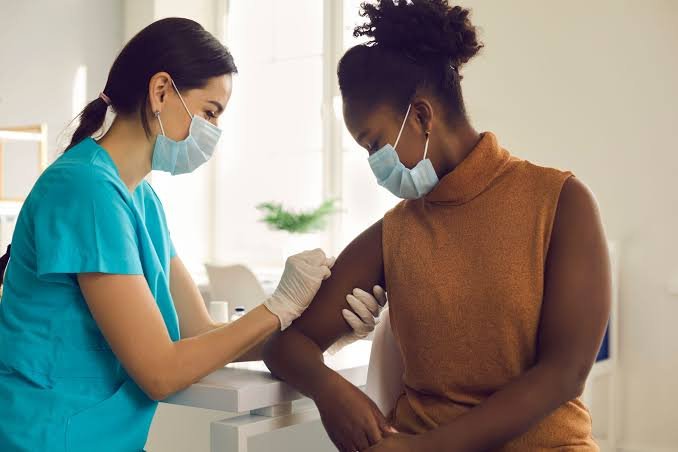
COVID 19 continues to affect communities across the UK, and staying protected through vaccination remains an important part of maintaining personal health and reducing the risk of severe illness. While NHS vaccination programmes are available for eligible groups, many people are now looking for flexible options through private healthcare providers. If you are searching for a private COVID vaccination in Bow, Massinghams Chemist in Bethnal Green provides a convenient and professional service designed around your needs. Our experienced pharmacy team offers trusted healthcare support, helping local residents access COVID vaccination services without unnecessary delays. Located close to Bow and serving the wider East London community, Massinghams Chemist makes private vaccination easier by providing expert advice, a comfortable pharmacy environment, and a simple booking process. Why Choose a Private COVID Vaccination in Bow? Private COVID vaccination services offer an alternative option for individuals who may want greater flexibility when arranging their vaccine. Many people choose private healthcare services because they value convenience, quick access, and personalised support from qualified healthcare professionals. A private COVID vaccine appointment can be beneficial for: People who require vaccination outside standard NHS availability periods Travellers who need proof of vaccination or updated protection before international journeys Individuals who prefer booking a convenient appointment time People who want professional guidance from a pharmacist before receiving their vaccine Residents looking for a local COVID vaccination clinic near Bow and Bethnal Green At Massinghams Chemist, our pharmacy team focuses on making the vaccination experience simple, safe, and comfortable. Private COVID Vaccine Service Near Bow at Massinghams Chemist Finding a reliable healthcare provider near you is important when arranging any vaccination. Massinghams Chemist is conveniently located in Bethnal Green, making it easily accessible for residents of Bow and surrounding areas. Our pharmacy provides a customer focused approach where you can speak directly with trained healthcare professionals. We understand that every person has different health requirements, which is why our team is available to answer questions and provide guidance before your vaccination. When you choose Massinghams Chemist for your private COVID vaccination near Bow, you can expect: Professional advice from experienced pharmacy staff A convenient local location A comfortable vaccination environment Clear information about the vaccination process Support with any questions or concerns Our goal is to provide a smooth healthcare experience while helping our customers stay protected. Who Can Get a Private COVID Vaccine? Private COVID vaccination availability may depend on factors such as vaccine supply, current health guidance, age requirements, and individual circumstances. Many adults choose private COVID vaccination services for reasons including travel, personal protection, workplace requirements, or maintaining updated immunity. Before receiving your vaccine, our pharmacy team can discuss your requirements and help you understand whether a private COVID vaccination is suitable for you. If you are unsure whether you need a COVID vaccine or booster, speaking with a healthcare professional is always recommended. Benefits of Getting Vaccinated at a Local Pharmacy Community pharmacies play an important role in providing accessible healthcare services. Instead of travelling to large medical centres, many people prefer visiting their local pharmacy because it offers a more personal and convenient experience. Choosing a pharmacy for your COVID vaccination provides several benefits: Easy Access A local pharmacy makes healthcare services more accessible for people living nearby. Residents searching for a COVID vaccination near Bow can benefit from visiting a trusted community pharmacy close to home. Professional Healthcare Advice Pharmacists are highly trained healthcare professionals who can provide information about vaccines, possible side effects, and general vaccination guidance. Convenient Appointments Private pharmacy services often provide flexible appointment options, helping customers fit healthcare around their daily schedules. Comfortable Environment Many people prefer receiving vaccinations in a familiar pharmacy setting where they can ask questions and receive personalised attention. What Happens During a Private COVID Vaccination Appointment? Many people feel uncertain about what to expect when booking a private vaccine appointment. At Massinghams Chemist, we aim to make the process straightforward. During your appointment, our pharmacy team will: Discuss your vaccination requirements Check relevant health information Provide information about the vaccine Administer the vaccination safely Offer advice about aftercare and possible reactions The vaccination process is quick, and most people can return to their normal activities shortly afterwards. COVID Vaccine Safety and Professional Care Vaccines undergo extensive research and safety monitoring before being approved for use. Healthcare professionals continue to follow official guidance to ensure vaccines are administered safely. At Massinghams Chemist, customer safety is our priority. Our pharmacy team follows professional healthcare standards when providing vaccination services. If you have questions about vaccine ingredients, previous reactions, medical conditions, or other concerns, our team can provide guidance and help you make an informed decision. Why Local Residents Choose Massinghams Chemist Massinghams Chemist has been serving the Bethnal Green community with trusted pharmacy services. We understand the importance of accessible healthcare and providing customers with professional support when they need it. For residents searching for a private COVID vaccine in Bow, our pharmacy offers a convenient option with experienced healthcare professionals available to assist. Whether you need advice about COVID vaccination, general pharmacy services, or healthcare guidance, our team is here to help. Book Your Private COVID Vaccination Near Bow Today If you are looking for a reliable private COVID vaccination service near Bow, Massinghams Chemist can support you with professional pharmacy care and convenient access. Protecting your health starts with making informed healthcare choices. Contact Massinghams Chemist today to enquire about private COVID vaccination availability and arrange your appointment. Visit our pharmacy in Bethnal Green or contact our team for more information about private COVID vaccine services available for local residents. Frequently Asked Questions About Private COVID Vaccination in Bow 1. Where can I get a private COVID vaccination near Bow? Massinghams Chemist in Bethnal Green provides private COVID vaccination services for customers looking for a convenient pharmacy based option near Bow. Our experienced pharmacy team can provide information and support throughout the vaccination process. 2. Do I need an appointment for a private COVID
Earwax Removal in Bow | Complete Guide to Microsuction and Blocked Ears
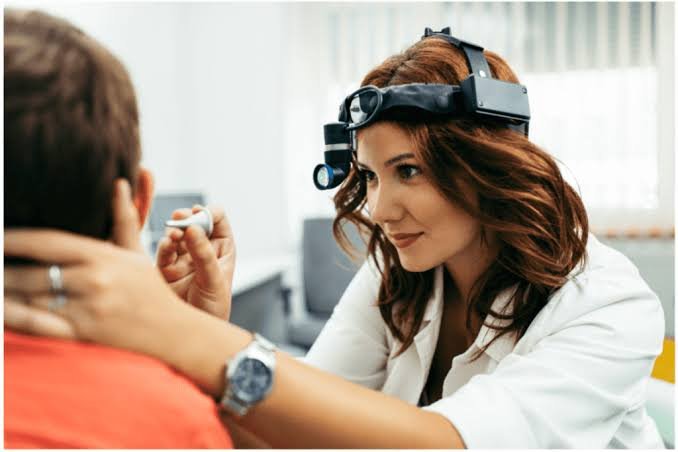
Earwax is a natural part of keeping your ears healthy. It protects the ear canal from dirt, dust and bacteria and normally moves out of the ear naturally. However, sometimes too much earwax can build up and cause uncomfortable symptoms such as blocked ears, reduced hearing, earache, ringing or dizziness. When earwax becomes difficult to manage at home, professional earwax removal can provide a safe and convenient solution. If you are searching for earwax removal in Bow, ear wax removal near me or microsuction in Bow, it is important to understand what causes earwax build up, when professional treatment may be appropriate and how microsuction works. Massinghams Chemist provides professional earwax removal services for customers across Bow and surrounding areas from its community pharmacy on Roman Road in Bethnal Green. The service includes microsuction and video otoscopy performed by trained practitioners. What Is Earwax? Earwax is a natural substance produced inside the ear canal. It helps protect the delicate skin inside the ear and can help prevent dirt, bacteria and other particles from reaching deeper into the ear. Most of the time, earwax does not need to be removed because the ear is naturally self cleaning. Problems can occur when earwax builds up and becomes impacted. When this happens, it can block the ear canal and affect your hearing or cause other symptoms. The NHS explains that common symptoms of earwax build up can include hearing loss, earache, a blocked sensation, tinnitus and dizziness. What Causes Earwax Build Up? Earwax build up can happen for several reasons. Some people naturally produce more earwax than others. Narrow or damaged ear canals can also make it more difficult for wax to leave the ear naturally. Skin conditions affecting the ear or surrounding area may contribute to wax problems, while inflammation of the ear canal can also play a role. Hearing aid users may experience more frequent wax build up because hearing aids can interfere with the natural movement of wax out of the ear. If you regularly experience blocked ears, it can be helpful to speak with a pharmacist or healthcare professional rather than repeatedly trying to remove the wax yourself. What Are the Symptoms of Blocked Earwax? One of the most common signs of earwax build up is a feeling that your ear is blocked. You may notice that sounds appear quieter than usual or that hearing in one ear seems different from the other. Some people experience an uncomfortable feeling of fullness inside the ear. Other symptoms can include earache, ringing or buzzing sounds and dizziness. It is important to remember that these symptoms are not always caused by earwax. Hearing loss, ear pain and other ear symptoms can have different causes. If you experience significant or persistent symptoms, professional assessment can help determine whether earwax is actually responsible. Should You Remove Earwax Yourself? In many cases, earwax does not need to be physically removed because the ear naturally clears it. If wax is causing a blockage, the NHS recommends using suitable ear drops or olive oil to soften it. Olive or almond oil can be used for several days to help soften the wax and allow it to move naturally out of the ear. Almond oil should not be used if you have an almond allergy. However, you should avoid putting objects inside your ear. Cotton buds are particularly problematic because they can push wax deeper into the ear rather than removing it. They may also irritate or damage the delicate skin inside the ear. The NHS specifically advises against using fingers or objects such as cotton buds to remove earwax. What Is Microsuction Earwax Removal? Microsuction is a professional method of removing earwax using a small suction probe. During the procedure, a trained practitioner carefully places the suction equipment into the ear canal and removes the wax under direct visualisation. Unlike traditional water based ear irrigation, microsuction does not require water to be introduced into the ear. University College London Hospitals describes microsuction as a procedure where wax and debris are removed using suction through a small probe placed carefully into the ear canal. It is generally considered a quick and effective method when performed by a trained clinician with appropriate equipment. How Does Earwax Removal Work at Massinghams? If you are looking for earwax removal near Bow, Massinghams Chemist provides microsuction at its pharmacy on Roman Road in Bethnal Green. The process begins with an examination of the ear. Massinghams uses medical grade video otoscopy to assess the ear canal and identify the location of the wax. The practitioner can use the camera to view the ear canal before treatment. This helps establish whether wax is present and whether removal is appropriate. The microsuction procedure can then be carried out under direct visualisation. The wax is carefully removed using a fine suction probe. Massinghams currently lists ear microsuction at £40 for one ear and £70 for two ears. Prices can change, so it is sensible to confirm the current price when booking. Does Microsuction Hurt? Many people find microsuction comfortable, although everyone’s experience is different. You may hear a suction sound during the procedure because the equipment works close to the ear canal. Some people may experience mild sensitivity or temporary discomfort. Microsuction should be performed carefully by an appropriately trained practitioner using suitable equipment. NHS guidance from University College London Hospitals states that microsuction is generally pain free for most people when performed by a trained clinician. If you experience significant pain during treatment, tell the practitioner immediately so they can assess the situation. How Long Does Earwax Removal Take? The length of an appointment depends on the amount and position of wax and whether one or both ears require treatment. Massinghams states that the microsuction procedure itself typically takes around 15 to 30 minutes. An ear examination is carried out before removal, so the complete appointment may take slightly longer. For many people, this makes professional microsuction a convenient option when earwax is causing
Earwax Removal in Bethnal Green | Complete Guide to Microsuction
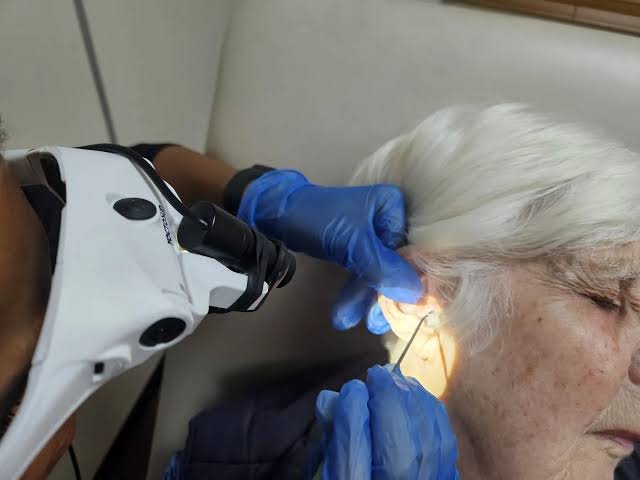
Earwax is a natural part of keeping your ears healthy, but when too much builds up it can become uncomfortable and may affect your hearing. Blocked ears, muffled hearing, ear discomfort and a feeling of fullness are some of the reasons people look for professional earwax removal in Bethnal Green. For people living or working in Bethnal Green and surrounding areas of East London, professional microsuction can provide a convenient way to have troublesome earwax assessed and removed. At Massinghams Chemist on Roman Road, Bethnal Green, our pharmacy provides professional earwax removal using microsuction and video otoscopy. The service is designed to help people with troublesome earwax receive professional assessment and appropriate removal without unnecessary delay. What Is Earwax? Earwax is produced naturally inside the ear canal. It helps protect and lubricate the delicate skin inside the ear and can help trap dust, dirt and other particles. Most people do not need to remove earwax regularly because the ears are naturally designed to move wax towards the outside of the ear. Problems can occur when wax builds up and becomes impacted. This can block the ear canal and cause symptoms such as reduced hearing, discomfort or a sensation that the ear is blocked. According to NHS guidance, earwax usually only needs treatment when it causes symptoms or prevents the ear from being examined properly. What Are the Signs of Earwax Build Up? Earwax build up can affect people differently. Some people may notice a blocked sensation in one ear, while others may experience problems in both ears. Common symptoms can include reduced or muffled hearing, a feeling of fullness in the ear, earache, itching or sounds such as ringing or buzzing. If you suddenly experience hearing loss, severe pain, discharge from the ear or other concerning symptoms, you should seek appropriate medical advice rather than assuming the problem is simply earwax. This is one reason professional assessment can be useful. A practitioner can examine the ear canal before deciding whether wax removal is appropriate. Why Should You Avoid Cotton Buds? Many people use cotton buds to try to clean their ears, but pushing objects into the ear canal can make the situation worse. Instead of removing wax, cotton buds can push it further into the ear. This can contribute to blockage and may irritate or damage the delicate skin inside the ear. The NHS advises against putting objects into the ears to remove earwax. Your ears generally clean themselves naturally, so routine cleaning deep inside the ear canal is not usually necessary. If you believe you have excessive or impacted earwax, professional advice is a safer approach than trying to remove it with objects at home. What Is Microsuction Earwax Removal? Microsuction is a professional method of removing earwax using a small suction device. During the procedure, a trained practitioner uses appropriate equipment to examine the ear canal and carefully remove wax under direct vision. University College London Hospitals describes microsuction as a procedure where wax, debris or foreign objects are removed from the external ear canal using a small suction probe. One of the advantages of microsuction is that it does not require water to be introduced into the ear canal. The practitioner can see the ear canal while carrying out the procedure, allowing the wax to be removed carefully and precisely. How Does Earwax Removal Work at Massinghams Chemist? At Massinghams Chemist, the process begins with an examination of the ear. Our earwax service uses video otoscopy, allowing the practitioner to examine the ear canal and identify whether wax is present and whether removal is appropriate. If suitable, microsuction can then be used to remove the wax under direct visualisation. The procedure itself is generally straightforward. The practitioner uses a small suction probe to carefully remove the wax from the ear canal. After the procedure, you can receive appropriate advice about looking after your ears and what to do if you experience further problems. Does Microsuction Hurt? People often worry that earwax removal will be painful. Microsuction is generally designed to be a controlled and gentle procedure when carried out by a trained practitioner using appropriate equipment. You may hear some noise from the suction equipment during the procedure, and some people may experience temporary sensitivity or discomfort. Your comfort should remain important throughout the appointment. If you experience significant pain, tell the practitioner immediately. It is also important to remember that not every ear problem is caused by wax. An examination before removal helps determine whether earwax is actually the likely cause of your symptoms. How Long Does Earwax Removal Take? The exact appointment time depends on the amount and type of wax and the condition of the ear. Massinghams Chemist states that the microsuction procedure typically takes around 15 to 30 minutes. Some people may only require a short procedure, while harder or more impacted wax can require additional attention. The practitioner will assess your ears and explain the appropriate approach. Should You Soften Earwax Before Your Appointment? Softening earwax before removal can sometimes make the process easier. Massinghams Chemist provides guidance on using appropriate ear drops before an appointment when suitable. However, you should not use ear drops without appropriate advice if you have certain ear conditions. For example, some ear drops may not be suitable for people with a perforated eardrum. If you have previously had ear surgery, have ear discharge, severe ear pain or a known perforation, tell the practitioner before treatment. The NHS and other clinical guidance recommend appropriate assessment where there are factors that may make routine earwax treatment unsuitable. Who Can Benefit From Professional Earwax Removal? Professional earwax removal can be useful for people who have symptoms caused by excessive or impacted wax. It may be particularly helpful if blocked earwax is affecting your hearing, causing discomfort or preventing a healthcare professional from examining the ear properly. People who use hearing aids can also experience problems when wax accumulates in the ear canal. However, professional earwax removal is not
Travel Clinic in Bethnal Green | Your Complete Guide to Travel Health

Planning an international trip should be exciting, whether you are going on holiday, visiting family, travelling for work or preparing for a long awaited adventure. However, travelling to another country can also expose you to health risks that may not be common in the UK. Travel vaccinations, malaria prevention and destination specific health advice can help you prepare for these risks before you leave. The right preparation depends on where you are travelling, how long you are staying, what activities you plan to do and your individual health circumstances. If you are looking for a travel clinic in Bethnal Green, Massinghams Chemist provides professional travel health services from its pharmacy on Roman Road. The clinic offers travel vaccinations, malaria prevention and personalised advice to help travellers prepare for international journeys. What Is a Travel Clinic? A travel clinic is a healthcare service that provides advice and vaccinations for people travelling outside the UK. Different destinations can have different health risks. Some countries may have a higher risk of illnesses such as hepatitis A, typhoid, rabies or other infections. Some destinations may also require specific vaccinations or proof of vaccination before entry. A travel health consultation allows a healthcare professional to review your destination and travel plans and identify which vaccinations and preventative measures may be appropriate. The NHS recommends speaking to a travel health professional at least four to six weeks before travelling whenever possible. This is because some vaccines require more than one dose and may need time to provide protection. Why Are Travel Vaccinations Important? Travel vaccinations can reduce your risk of developing certain serious infections while abroad. The vaccinations you need depend on your destination. There is no single list of travel vaccines that applies to everyone because health risks vary significantly between countries and even between different regions within the same country. Your travel plans can also influence the recommendations. A traveller staying in a major hotel may have different risks from someone visiting rural areas, working with animals or spending an extended period in remote locations. The NHS recommends checking travel vaccination requirements and recommendations for your specific destination rather than assuming that a particular vaccine is needed simply because you are travelling abroad. When Should You Visit a Travel Clinic? Ideally, you should arrange your travel health consultation four to six weeks before your departure. This gives you enough time to discuss your itinerary, check your previous vaccinations and complete any vaccination schedule that may be required. However, leaving things until the last minute does not necessarily mean that you should ignore travel health advice. Some vaccines can still be given closer to your departure date, depending on the vaccine, destination and your individual circumstances. A travel health professional can assess your situation and advise you about the options available. If you have an upcoming trip and have not yet arranged your vaccinations, contact a travel clinic as soon as possible rather than waiting until the last few days. What Travel Vaccinations Are Available? The vaccinations recommended for travel depend on your destination and individual circumstances. Massinghams Chemist currently provides a range of travel vaccinations, including hepatitis A, hepatitis B, meningitis ACWY, MMR, DTP, typhoid, cholera and rabies. The pharmacy also provides antimalarial services. Hepatitis A Vaccination Hepatitis A is an infection that can spread through contaminated food and water. Vaccination may be recommended for travellers visiting certain countries where hepatitis A is more common. Your travel health professional can assess the risk based on your destination and travel circumstances. Hepatitis B Vaccination Hepatitis B is a viral infection that can affect the liver. Depending on your destination and activities, vaccination may be recommended. It can be particularly relevant for certain travellers who may have increased exposure risks during extended travel or particular activities. Typhoid Vaccination Typhoid is a bacterial infection associated with contaminated food and water. Travellers visiting areas where typhoid is more common may be advised to consider vaccination, particularly when travelling to regions where sanitation and access to safe drinking water may be limited. Rabies Vaccination Rabies is a serious infection that can be transmitted through the bite or scratch of an infected animal. Travellers spending time in areas where rabies is present, particularly those who may have contact with animals or be travelling in remote locations, may be advised to consider vaccination. Meningitis ACWY Meningococcal disease can cause serious infections including meningitis. Meningitis ACWY vaccination can be particularly important for certain travellers and may also be required for specific religious pilgrimages. DTP Vaccination DTP protects against diphtheria, tetanus and polio. Before travelling, it is important to check that routine vaccinations are up to date. The NHS recommends that all travellers remain up to date with standard vaccinations, including measles vaccination. Do You Need Malaria Prevention? Vaccination is only one part of travel health. If you are travelling to a country where malaria occurs, you may need malaria prevention advice and potentially antimalarial medication. Malaria is a serious disease transmitted through mosquito bites. The risk varies depending on the country and region you are visiting. Massinghams Chemist provides antimalarial services as part of its travel health offering. A pharmacist can assess your destination and provide appropriate advice about malaria prevention. It is important to remember that preventing malaria involves more than taking medication. Avoiding mosquito bites through appropriate clothing, insect repellent and other protective measures can also be important. Why Is a Travel Health Consultation Important? Buying a travel vaccine without discussing your complete travel plans may not provide the best preparation. A professional travel consultation considers factors such as your destination, travel dates, length of stay, planned activities and previous vaccinations. Your health history can also be relevant. Certain medical conditions, allergies, pregnancy and medicines may affect whether a particular vaccine or preventative treatment is suitable. The NHS advises travellers to tell the healthcare professional about health conditions, pregnancy and medicines they take before receiving travel vaccinations. This is why a personalised consultation is an important part of responsible
Earwax Removal Bethnal Green A Complete Guide to Safe Ear Care
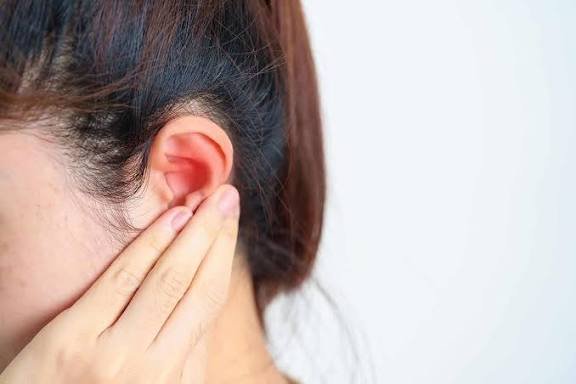
Earwax is a natural substance produced inside the ear canal. It helps protect the delicate skin of the ear by trapping dust, dirt and other particles. In most people, earwax gradually moves towards the opening of the ear and falls out naturally. However, sometimes too much earwax can build up and become impacted. When this happens, it can cause uncomfortable symptoms such as blocked ears, muffled hearing, earache, tinnitus or a feeling of pressure. For people experiencing troublesome earwax in East London, finding convenient and professional earwax removal in Bethnal Green can make it easier to access appropriate care. Massinghams Chemist provides professional earwax removal services from its pharmacy on Roman Road in Bethnal Green. The service includes ear examination and microsuction using professional equipment, subject to suitability. What Is Earwax and Why Do We Have It Earwax is not something that should normally be removed simply because it is present. It is produced naturally by glands inside the ear canal and plays an important protective role. It helps lubricate the ear canal and can trap dust, bacteria and other particles before they travel further into the ear. For most people, the ear has a natural cleaning process that gradually moves wax towards the outside. Problems can occur when this process does not work effectively and wax starts to accumulate. The NHS explains that earwax usually falls out naturally, but a build up can sometimes block the ear and cause symptoms. What Causes Earwax Build Up There are several reasons why earwax can become trapped inside the ear. Some people naturally produce more earwax than others. Narrow or damaged ear canals can also make it more difficult for wax to leave naturally. Hair inside the ear canal can contribute to accumulation, while certain skin conditions may also affect the ear canal. Using objects inside the ear can make the problem worse. Cotton buds are particularly common because people often use them believing they are cleaning the ear. In reality, pushing a cotton bud into the ear canal can push wax further inside and compact it. The NHS advises against putting fingers or objects such as cotton buds inside the ears to remove earwax. What Are the Symptoms of Blocked Earwax Earwax build up can cause different symptoms depending on how much wax has accumulated and where it is located. A common symptom is reduced or muffled hearing. You may feel as though your ear is blocked or full. Some people experience earache or discomfort, while others notice ringing or buzzing sounds known as tinnitus. Dizziness can also occur in some cases. If you suddenly experience significant hearing loss, severe pain, discharge from the ear or other unusual symptoms, it is important not to assume that earwax is the cause. Medical assessment may be required. When Should You Consider Earwax Removal Not everyone with earwax needs professional removal. If the wax is causing no symptoms, it may be best to leave it alone. However, if you have persistent blocked ears, reduced hearing or discomfort that appears to be associated with wax, speaking with a pharmacist or healthcare professional can help determine the appropriate next step. The NHS recommends speaking to a pharmacist about earwax build up because they can provide advice and suggest suitable treatments. If pharmacy treatments do not resolve the problem, further assessment may be appropriate. Can You Remove Earwax at Home In some cases, earwax can be managed at home. The NHS advises that olive or almond oil drops may help soften earwax and allow it to leave the ear naturally. However, almond oil should not be used by people with an almond allergy. Ear drops should not be used if you have a perforated eardrum unless a healthcare professional has specifically advised you to do so. If symptoms continue or your ear remains blocked, professional assessment may be appropriate. It is important not to insert cotton buds, hairpins, fingers or other objects into the ear canal. What Is Microsuction Earwax Removal Microsuction is a professional technique used to remove earwax from the ear canal. During the procedure, a small suction probe is used to carefully remove wax under direct visualisation. University College London Hospitals explains that aural microsuction involves removing wax and debris using a small suction probe placed carefully within the ear canal. Massinghams Chemist states that its earwax service uses medical grade video otoscopy alongside microsuction equipment, allowing the practitioner to examine the ear canal before removal. This approach allows the practitioner to see what is inside the ear while performing the procedure. Why an Ear Examination Matters Blocked hearing does not always mean that earwax is responsible. An examination can help determine whether wax is actually present and whether professional removal is appropriate. Massinghams Chemist states that its practitioners use video otoscopy to examine the ear canal before microsuction. This can provide a clearer view of the ear canal and help the practitioner decide how to proceed. If the symptoms appear to have another cause, you may be advised to seek further medical assessment rather than having unnecessary earwax removal. Is Microsuction Safe Microsuction can be a safe method of earwax removal when performed by an appropriately trained professional using suitable equipment. UCLH states that microsuction is safe when performed by a trained clinician using appropriate equipment. However, no healthcare procedure is completely risk free. Your practitioner should assess your ears and consider relevant medical history before treatment. If you have previously had ear surgery, a perforated eardrum, significant ear pain, discharge or other ear problems, make sure you mention this before treatment. What Happens During Earwax Removal at Massinghams Chemist The process at Massinghams Chemist is designed to be straightforward. The practitioner first examines the ear canal using video otoscopy. This helps determine whether earwax is present and whether removal is appropriate. If treatment is suitable, microsuction can then be used to remove the wax under direct visualisation. Massinghams Chemist states that its earwax removal service can include microsuction for one or
Infected Insect Bite Treatment in Bethnal Green A Complete Guide to Symptoms Care and Prevention
Infected Insect Bite Treatment in Bethnal Green A Complete Guide to Symptoms Care and Prevention Insect bites are a common problem that many people experience, especially during warmer months and while travelling. Most bites are harmless and heal on their own within a few days. However, some insect bites can become infected, leading to pain, swelling and other complications that require medical attention. Understanding the signs of an infected insect bite bethnal green and knowing when to seek professional help is important for protecting your health. If you are looking for infected insect bite treatment in Bethnal Green, Massinghams Chemist offers professional advice and effective care to help you recover safely and quickly. What Is an Infected Insect Bite An infected insect bite occurs when bacteria enter the skin through the bite area. This can happen if the skin is broken from scratching or if the bite is exposed to dirt and germs. While most insect bites cause only mild irritation, infection can develop if the area is not properly cared for. Common insects that may cause bites include mosquitoes, fleas, bed bugs and spiders. When infection develops, symptoms often become more severe and may require treatment to prevent further complications. Common Symptoms of an Infected Insect Bite Recognising the symptoms early is essential for effective treatment. A normal insect bite usually causes redness, itching and mild swelling that improves within a short period. An infected insect bite may present additional symptoms such as increased pain, warmth and swelling around the area. The skin may appear redder over time and pus or fluid may develop. Some individuals may also experience fever, tiredness or swollen glands if the infection becomes more serious. Seeking professional advice early can help prevent the condition from worsening. Why Insect Bites Become Infected One of the most common reasons insect bites become infected is excessive scratching. Scratching damages the skin and creates an opening for bacteria to enter. Poor hygiene or delayed treatment can also increase the risk of infection. In some cases, individuals with weaker immune systems may be more prone to complications. Environmental factors such as heat and humidity may also contribute to bacterial growth around the bite area. Understanding these causes can help reduce the risk of infection in the future. The Importance of Early Treatment Treating an infected insect bite early can prevent more serious complications. Ignoring symptoms may allow the infection to spread deeper into the skin or surrounding tissues. Conditions such as Cellulitis can develop if the infection is left untreated. This may require stronger medical intervention and longer recovery times. Early treatment helps relieve discomfort, reduce swelling and speed up healing. Professional care ensures that the right treatment is provided based on the severity of the infection. What to Expect During a Pharmacy Consultation At Massinghams Chemist in Bethnal Green, your consultation begins with an assessment of the affected area. A healthcare professional will examine the bite and discuss your symptoms. Based on the severity of the infection, suitable treatment options will be recommended. This may include creams, antiseptic products or further medical advice if necessary. You will also receive guidance on how to care for the area at home and reduce irritation. The goal is to provide fast and effective relief while preventing the infection from worsening. Home Care Tips for Infected Insect Bites Proper home care is an important part of recovery. Keeping the area clean helps reduce bacteria and supports healing. Washing the bite gently with mild soap and water can help prevent further irritation. Applying a cold compress may reduce swelling and discomfort. Avoid scratching the bite, as this can worsen the infection and delay healing. Following professional advice and using recommended treatments consistently can improve recovery time. Preventing Insect Bites and Infections Prevention is always better than treatment. Taking steps to avoid insect bites can reduce the risk of infection and discomfort. Using insect repellent is one of the most effective ways to protect yourself, especially during outdoor activities or travel. Wearing long sleeves and covering exposed skin can also help reduce bites. Keeping living spaces clean and using screens on windows may prevent insects from entering your home. If you do get bitten, cleaning the area promptly and avoiding scratching can lower the chance of infection. The Role of Pharmacy Services in Treating Insect Bites Community pharmacies play an important role in providing quick and accessible healthcare support. For many minor conditions, pharmacies offer convenient treatment without the need for long waiting times. At Massinghams Chemist, we provide expert advice and personalised care for infected insect bites and other minor health concerns. Our professional team helps patients receive timely treatment and guidance in a comfortable and supportive environment. Why Choose Massinghams Chemist in Bethnal Green Massinghams Chemist is dedicated to delivering high quality healthcare services to the local community. Our focus is on providing reliable treatment and expert advice tailored to individual needs. Located in Bethnal Green, we offer convenient access to professional care for infected insect bites and other common conditions. We understand the importance of fast treatment and personalised support, ensuring that every patient receives the attention they need. Understanding When to Seek Further Medical Attention While many infected insect bites can be treated effectively, some situations require additional medical care. If you experience severe swelling, spreading redness, difficulty breathing or high fever, it is important to seek urgent medical attention. Persistent symptoms or worsening infection should also be assessed by a healthcare professional. Knowing when to seek help can prevent complications and support a safer recovery. Frequently Asked Questions 1 How do I know if an insect bite is infected Signs of infection include increasing redness, swelling, pain, warmth and pus around the bite area. 2 Can an infected insect bite heal on its own Mild infections may improve with proper care, but professional treatment is often recommended to prevent complications. 3 Should I avoid scratching insect bites Yes, scratching can damage the skin and increase the risk of
UTI Care Bethnal Green Understanding Symptoms and Getting the Right Pharmacy Support
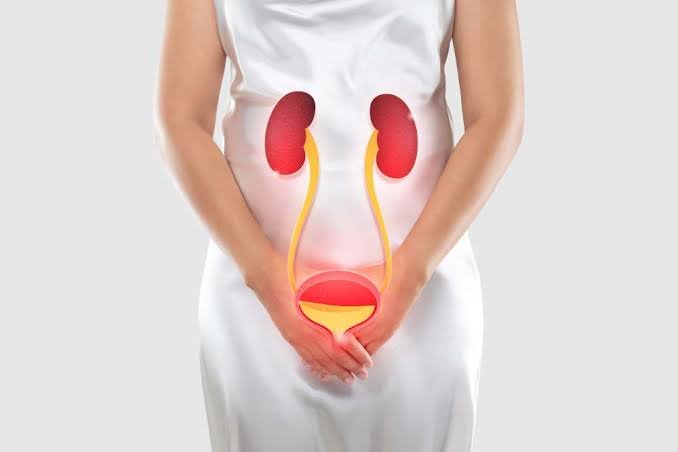
Urinary tract infections are among the most common infections affecting adults. They can develop unexpectedly and cause symptoms that make everyday activities uncomfortable. A burning sensation when passing urine, needing to urinate frequently or feeling pressure in the lower abdomen can quickly become disruptive, particularly when symptoms appear during work, travel or daily activities. Although urinary tract infections are common, it is important not to assume that every urinary symptom is caused by a UTI. Different conditions can produce similar symptoms, and some infections require medical assessment rather than self treatment. Recognising symptoms early and accessing appropriate healthcare advice can help you understand what is happening and what treatment may be suitable. For people looking for UTI care in Bethnal Green, Massinghams Chemist provides accessible pharmacy based healthcare support. Our pharmacy team can discuss symptoms, provide appropriate advice and help determine whether further medical assessment may be required. What Is a Urinary Tract Infection A urinary tract infection occurs when microorganisms enter part of the urinary system and cause an infection. The urinary system includes the kidneys, ureters, bladder and urethra. Most uncomplicated UTIs affect the lower urinary tract, particularly the bladder and urethra. Women are more likely to experience UTIs than men, although anyone can develop an infection. Symptoms can vary between individuals, which is why professional assessment can be important when urinary problems develop. Understanding the signs allows you to recognise a potential infection earlier and seek suitable advice. Recognising Common UTI Symptoms The symptoms of a UTI can appear gradually or develop quite quickly. A burning or stinging sensation when passing urine is one of the most commonly recognised symptoms. You may also feel that you need to urinate more frequently than usual, even when very little urine is produced. Some people experience an urgent need to use the toilet or discomfort in the lower abdomen. Urine may sometimes appear cloudy or have a stronger smell than usual. Not everyone experiences the same symptoms, and the presence of one symptom does not automatically confirm a UTI. Why Early Attention Matters It can be tempting to ignore mild urinary symptoms and hope they disappear. Sometimes symptoms may improve, but an untreated infection can potentially spread to other parts of the urinary system. This is why persistent or worsening symptoms should not be ignored. Seeking professional advice early gives you an opportunity to understand whether your symptoms are consistent with a UTI and whether treatment or further assessment may be appropriate. Early healthcare support can also provide reassurance when symptoms are uncomfortable or worrying. UTI Symptoms Can Have Other Causes One important reason professional advice matters is that urinary symptoms are not always caused by a UTI. Other conditions can cause burning, frequency, urgency or discomfort when passing urine. Some symptoms may also be related to irritation or other health conditions. Treating yourself without understanding the cause can delay appropriate care. A healthcare professional can consider your symptoms and circumstances before recommending the most suitable next step. This approach helps ensure treatment is appropriate rather than based on assumptions. How Pharmacy Based UTI Care Can Help Community pharmacies provide convenient access to healthcare advice for many common conditions. Instead of waiting for a routine appointment, patients can speak with trained pharmacy professionals about their symptoms. During a UTI consultation, the pharmacy team can ask relevant questions about your symptoms and medical history. This helps determine whether the condition may be suitable for pharmacy based treatment or whether you should be referred for further medical assessment. Accessible pharmacy care can be particularly useful when urinary symptoms appear unexpectedly. Why Self Treatment Is Not Always the Best Option The internet contains countless recommendations for managing urinary symptoms at home. Drinking water and maintaining good hydration can be sensible for general wellbeing, but home remedies should not be considered a replacement for professional assessment when an infection is suspected. Cranberry products and other commonly discussed remedies may be used by some people, but they should not replace appropriate treatment for an established infection. If symptoms are persistent, severe or worsening, seeking professional healthcare advice is more appropriate than relying solely on home remedies. Staying Hydrated Maintaining adequate fluid intake is an important part of general urinary health. Drinking water regularly helps support normal urinary function. When experiencing urinary symptoms, staying hydrated can also help you avoid becoming dehydrated. However, drinking water alone does not necessarily treat an established bacterial infection. If symptoms continue, professional assessment remains important. Your healthcare professional can provide guidance based on your individual circumstances. Reducing the Risk of Future UTIs Some people experience UTIs repeatedly. Although not every infection can be prevented, certain everyday habits may help support urinary health. Drinking enough water, avoiding unnecessarily delaying urination and maintaining good personal hygiene are sensible habits. After sexual activity, urinating may also help some people reduce the likelihood of developing a UTI. People who experience frequent infections should discuss the pattern with a healthcare professional because recurrent UTIs may require additional investigation or personalised prevention advice. When UTI Symptoms Need Urgent Attention Some symptoms should not be managed solely through routine pharmacy advice. A high temperature, chills, pain in the back or side, vomiting or feeling significantly unwell may indicate that an infection has progressed beyond the bladder. Blood in the urine or severe pain should also be assessed appropriately. Pregnant women, children, men and people with certain underlying health conditions may require specific medical assessment when UTI symptoms occur. If you are unsure about the seriousness of your symptoms, seeking professional advice is the safest approach. UTI Care for Busy People in Bethnal Green Urinary symptoms can appear at inconvenient times. You may be preparing for work, looking after your family or managing a busy schedule when discomfort suddenly develops. Access to a local pharmacy provides a convenient option for discussing symptoms without unnecessary delays. Massinghams Chemist in Bethnal Green provides accessible healthcare services designed around the needs of the local community. Our pharmacy team can listen