Yes. Adults who are not eligible for NHS Meningitis B vaccination may be able to access the vaccine privately through participating pharmacies or travel clinics, subject to clinical assessment, availability and suitability.

By Massinghams Chemist / November 02, 2026
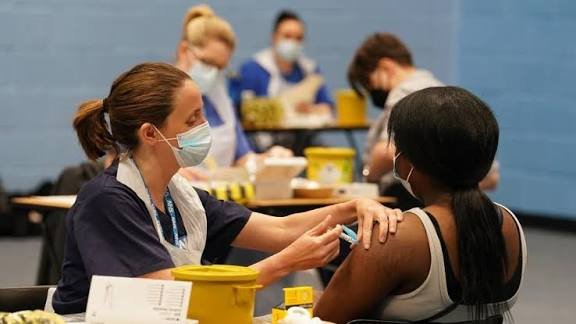
Starting university is an exciting experience, bringing new friendships, accommodation and opportunities. However, moving into university halls and meeting large groups of people can also increase the risk of certain infections. One important health consideration for students is meningococcal disease, particularly Meningitis B.
The Meningitis B vaccine for university students is an important way to reduce the risk of serious illness caused by meningococcal group B bacteria. With students preparing for Freshers Week and the beginning of a new academic year, understanding vaccination, eligibility and protection is essential.
In this guide, we explain what Meningitis B is, why university students should consider vaccination, how the vaccine works and where to access vaccination services in the UK.
University students often spend considerable time in shared environments, including student accommodation, lecture halls, libraries and social gatherings. These environments can increase opportunities for infections to spread between people.
Young adults are an important group to consider when it comes to meningococcal disease. First-year university students face a higher risk of meningococcal disease than young people of a similar age who do not attend university.
Getting the Meningitis B vaccine in bethnal green before starting university can help reduce the risk of developing serious MenB infection. It is particularly important to check vaccination status before moving into shared accommodation or attending Freshers Week.
Meningitis B is a serious infection caused by meningococcal group B bacteria. It can lead to meningitis, which affects the protective membranes surrounding the brain and spinal cord, or septicaemia, which is an infection of the bloodstream.
The bacteria can spread through close or prolonged contact with an infected person. This may happen through activities such as kissing, sharing drinks or living in close contact with others.
Although meningococcal disease is relatively uncommon, it can develop quickly and become life-threatening without urgent medical treatment.
Recognising the symptoms early is extremely important because meningococcal disease can progress rapidly.
Common warning signs include:
Not everyone develops all these symptoms, and a rash may not appear. If you suspect meningitis or septicaemia, seek emergency medical help immediately by calling 999. Do not wait for a rash to develop.
The MenB vaccine is particularly relevant for young people entering new educational environments where close social contact is common.
Students preparing to attend university for the first time should check whether they qualify for the NHS vaccination programme. Other people who may wish to discuss Meningitis B vaccination include:
Eligibility for NHS vaccination depends on the current programme criteria. A pharmacist or healthcare professional can help you understand the available options.
Ideally, students should arrange their Meningitis B vaccination well before moving into university accommodation or attending Freshers Week.
Getting vaccinated early provides an opportunity to complete the recommended course before starting university. This is particularly important because the MenB vaccine requires two doses under the current 2026 student programme.
Yes. Getting vaccinated before Freshers Week is a sensible way to prepare for university life. Students often meet large numbers of new people during this period, making it important to consider preventative healthcare before the academic year begins.
Students should check their eligibility and arrange appointments as early as possible rather than waiting until they arrive at university.
Protection does not develop immediately after vaccination. The immune system needs time to respond to the vaccine, and completing the recommended two-dose course is important.
Your healthcare professional can advise you on the appropriate timing and vaccination schedule.
Under the current 2026 NHS MenB vaccination programme for eligible young people, two doses are required.
The doses must be administered at least 28 days apart. Students should arrange their first appointment as soon as possible and ensure they return for their second dose within the recommended timeframe.
If you have previously received Meningitis B vaccination, tell your healthcare professional so they can check your vaccination history and advise whether further doses are appropriate.
Like other vaccinations, the Meningitis B vaccine can cause some temporary side effects. These are generally mild and settle without requiring medical treatment.
Common side effects may include:
Most reactions improve within a short period. However, if you experience an unexpected or concerning reaction after vaccination, contact a healthcare professional.
Before receiving the vaccine, inform your pharmacist or vaccinator about any previous allergic reactions, existing medical conditions and medications.
University students can explore NHS and private vaccination options depending on their eligibility and circumstances.
In England, eligible young people can book through the NHS MenB vaccination service or find participating pharmacies offering appointments. Students who do not qualify for the NHS programme can ask participating private pharmacies or travel clinics about availability and suitability.
If you are based in East London, you can also enquire about local vaccination services. For example, students and residents looking for a Meningitis B vaccine in Bethnal Green can contact Massinghams Chemist to ask about private vaccination availability, eligibility and appointment arrangements.
Before booking, check the following:
Planning ahead can help students arrange their vaccinations without unnecessary delays.
Starting university should be an exciting and memorable experience. However, looking after your health is an important part of preparing for this new chapter.
The Meningitis B vaccine for university students can help protect against serious infections caused by meningococcal group B bacteria. Checking your eligibility, understanding the vaccination schedule and arranging your doses in advance are sensible steps before Freshers Week.
Do not overlook your other recommended vaccinations either. Students should also check their MenACWY and MMR vaccination status before starting university.
Speak to a qualified healthcare professional or pharmacist to understand your vaccination options and make an informed decision.
We keep our pricing clear, so you know what to expect before you book. Any treatment or vaccination is always subject to a pharmacist’s assessment, and your exact cost is confirmed before you go ahead with anything.
Students should check their Meningitis B vaccine eligibility and arrange vaccination before starting university where possible. Completing the recommended course helps provide protection against meningococcal group B disease.
Yes. A time-limited NHS MenB vaccination programme is available in 2026 for eligible young people, including certain first-time university entrants. Eligibility depends on age, date of birth and university entry criteria.
The current 2026 NHS programme requires two doses, administered at least 28 days apart. Your healthcare professional can advise on your individual vaccination requirements.
Protection can vary depending on age, vaccination history and individual circumstances. The vaccine does not guarantee lifelong protection or cover every strain of meningococcal bacteria. Ask a healthcare professional for advice about your protection.
Yes. Adults who are not eligible for NHS Meningitis B vaccination may be able to access the vaccine privately through participating pharmacies or travel clinics, subject to clinical assessment, availability and suitability.