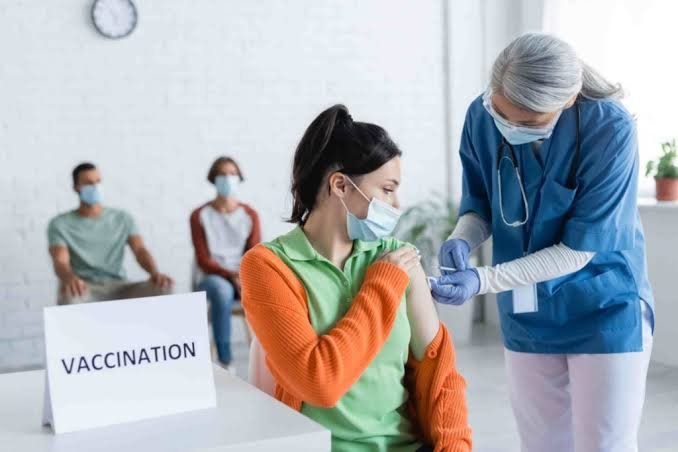
Why Are Travel Vaccinations Important?
Travel vaccinations help protect you against infectious diseases that may be more common in certain parts of the world. Some illnesses are transmitted through contaminated food and water, while others can spread through insect bites, contact with infected individuals or exposure to contaminated blood.
Your risk of exposure depends on several factors, including your destination, the areas you plan to visit, the length of your stay and the activities you intend to undertake.
For example, someone staying in a luxury hotel for a short holiday may have different health risks from someone visiting rural communities, volunteering abroad or spending several months travelling through multiple countries.
Travel vaccines are important because they can:
- Reduce the risk of contracting certain infectious diseases abroad.
- Help protect you when visiting destinations with specific health risks.
- Support safer international travel for families and individuals.
- Reduce the possibility of bringing certain preventable infections back home.
- Help you meet vaccination requirements for specific countries or journeys.
Not every traveller needs the same vaccinations. A travel health professional can assess your circumstances and recommend suitable protection based on your individual travel plans.
Which Travel Vaccinations Might You Need?
The vaccinations you need depend on your destination and personal health circumstances. Some vaccines are recommended for particular regions, while others may be required under specific international entry or public health rules.
Here are some commonly considered travel vaccinations.
1. Hepatitis A Vaccine
Hepatitis A is a viral infection that affects the liver. It can spread through contaminated food and water, particularly in areas where sanitation and food hygiene standards may differ from those in the UK.
Travellers visiting parts of Asia, Africa, South America and other regions may be advised to consider hepatitis A vaccination.
The vaccine is particularly worth discussing if you are planning to stay with local communities, visit rural destinations or travel to areas where access to safe food and drinking water may be limited.
Your pharmacist can advise whether hepatitis A vaccination is appropriate for your destination and whether further doses are recommended.
2. Hepatitis B Vaccine
Hepatitis B is a viral infection that affects the liver and can spread through infected blood and certain bodily fluids.
Travellers may face an increased risk depending on their activities, medical needs and length of stay. Potential exposure can occur through medical or dental procedures, tattoos, piercings and other situations involving contaminated equipment.
Vaccination may be recommended for people travelling for extended periods, working in healthcare, undertaking certain activities abroad or visiting destinations where hepatitis B is more prevalent.
A travel health assessment can help determine whether you should receive the hepatitis B vaccine before departure.
3. Typhoid Vaccine
Typhoid fever is a bacterial infection caused by Salmonella Typhi. It generally spreads through contaminated food and drinking water.
It is an important consideration for people travelling to parts of South Asia, Africa and other regions where typhoid remains more common.
Travellers visiting family and friends overseas may also need to consider vaccination, particularly when staying for extended periods or visiting areas with limited sanitation facilities.
The typhoid vaccine can help reduce your risk, although it does not provide complete protection. Maintaining good food and water hygiene remains essential.
4. Meningitis ACWY Vaccine
Meningitis ACWY vaccination helps protect against four groups of meningococcal bacteria: A, C, W and Y.
This vaccine is particularly relevant for people travelling to certain regions where meningococcal disease is more common and for pilgrims travelling to Saudi Arabia for Hajj or Umrah.
Depending on current Saudi Arabian entry requirements, pilgrims may need to provide valid proof of meningococcal vaccination.
If you are planning a pilgrimage, arrange your travel health consultation early to check the latest requirements and ensure your vaccination documentation is suitable.
5. Rabies Vaccine
Rabies is a serious viral infection that can spread through the bite or scratch of an infected animal.
Travellers visiting rural areas, spending time outdoors, working with animals or staying in destinations where access to prompt medical treatment may be limited should discuss rabies vaccination with a travel health professional.
The need for vaccination depends on your destination, activities and individual risk factors.
Even if you have received pre-travel rabies vaccination, you must seek urgent medical advice after a potential exposure. Vaccination before travel does not remove the need for medical assessment or further treatment following an animal bite or scratch.
6. Cholera Vaccine
Cholera is an infection that can cause severe diarrhoea and dehydration. It is usually transmitted through contaminated food and water.
Most short-term tourists do not routinely require cholera vaccination. However, it may be considered for certain travellers visiting areas experiencing outbreaks or where access to safe drinking water and sanitation is limited.
Your travel health professional can assess whether this vaccine is relevant to your journey.
7. Diphtheria, Tetanus and Polio (DTP) Booster
Diphtheria, tetanus and polio are serious diseases that can cause significant health complications.
Before travelling abroad, it is worth checking whether your routine UK vaccinations are up to date.
A booster may be recommended depending on your vaccination history, destination and current travel health guidance.
Do You Need Travel Vaccinations for Every Country?
No. Not every international destination requires additional travel vaccinations.
Some countries have relatively low risks for particular travel-related infections, while others may have specific vaccination recommendations or entry requirements.
For example, travelling to a major European city may involve different health considerations from visiting rural areas in India, Bangladesh, Kenya or Nigeria.
Your travel health requirements may also change depending on:
- The country and specific regions you are visiting.
- Whether you are staying in urban or rural locations.
- The length of your trip.
- Whether you are visiting friends and relatives.
- Your planned activities and accommodation.
- Your previous vaccination history.
- Your age and individual medical circumstances.
It is also important to distinguish between recommended vaccinations and mandatory entry requirements. Some vaccines may be recommended to protect your health, while others may be required for entry into certain countries or specific journeys.
Checking your requirements before departure can help you avoid unnecessary complications.
When Should You Get Travel Vaccinations Before Travelling?
Ideally, you should arrange your travel health consultation at least four to six weeks before your departure date.
This gives you enough time to discuss your destination, review your vaccination history and receive any recommended vaccines.
Some vaccinations require multiple doses over several weeks. Others may need time to provide an adequate immune response.
Leaving everything until the last minute can make it more difficult to complete certain vaccination courses before departure.
However, if your trip is approaching soon, do not assume it is too late to receive travel health advice. Some vaccinations and preventive measures may still be beneficial, depending on your destination and departure date.
Contact a travel clinic as soon as possible to discuss your options.
Do You Need Antimalarial Medication When Travelling Abroad?
Vaccinations are only one part of preparing for travel. Depending on your destination, you may also need advice about malaria prevention.
Malaria is a potentially serious disease transmitted through the bites of infected mosquitoes. It occurs in several tropical and subtropical regions, including parts of Africa, Asia and South America.
The level of malaria risk varies significantly between countries and even between different regions within the same country.
A travel health professional may recommend antimalarial medication based on your destination, medical history and travel arrangements.
You may also be advised to:
- Use an appropriate insect repellent.
- Wear clothing that covers your arms and legs, particularly during periods of mosquito activity.
- Sleep in accommodation with suitable mosquito protection.
- Use mosquito nets where appropriate.
- Follow destination-specific malaria prevention guidance.
Antimalarial medication should be selected following an appropriate assessment. Different medicines have different suitability, precautions and instructions.
At Massinghams Chemist, our travel clinic can provide advice about malaria prevention alongside your vaccination consultation.
What Happens During a Travel Clinic Consultation?
A travel clinic appointment helps identify the vaccinations and preventive measures that may be appropriate for your journey.
Rather than recommending the same vaccines to everyone, a travel health professional considers your individual circumstances.
During your consultation, you may be asked about:
Your destination: The countries and specific areas you intend to visit help determine the health risks associated with your journey.
Your travel dates: Your departure date and length of stay help establish how much time is available for vaccinations and any required courses.
Your medical history: Existing health conditions, allergies, pregnancy and medications may affect which vaccinations or treatments are suitable.
Your vaccination history: Previous vaccinations can help determine whether you need additional doses or boosters.
Your planned activities: Outdoor adventures, rural visits, volunteering, work and contact with animals may influence your travel health recommendations.
Following your assessment, the clinician can explain the recommended vaccinations, any relevant medication and other precautions to consider before travelling.
Travel Vaccinations at Massinghams Chemist in Bethnal Green
If you are looking for a travel clinic in East London, Massinghams Chemist provides travel vaccinations and personalised travel health advice from its pharmacy in Bethnal Green.
We understand that every journey is different. Whether you are visiting relatives abroad, planning an international holiday, travelling for work or preparing for Hajj and Umrah, our team can help you understand the vaccinations and preventive measures relevant to your trip.
Our travel vaccination services include:
- Hepatitis A vaccination.
- Hepatitis B vaccination.
- Typhoid vaccination.
- Meningitis ACWY vaccination.
- Rabies vaccination.
- Cholera vaccination.
- Diphtheria, tetanus and polio boosters.
- Malaria prevention advice and antimalarial services, subject to assessment.
The suitability and availability of individual vaccines and medicines should be confirmed with the pharmacy before your appointment.
Our pharmacy is conveniently located at:
Massinghams Chemist
197–199 Roman Road, Bethnal Green, London E2 0QY
Telephone: 020 8980 2400
If you live in Bethnal Green, Bow, Mile End or surrounding East London areas, you can contact our pharmacy to discuss your travel vaccination requirements.
Whether you are travelling in a few months or have a departure date approaching, getting professional advice early can make preparing for your journey easier.
Contact Massinghams Chemist today to discuss your travel health requirements and arrange your travel clinic consultation.
Prepare for Your Journey with Professional Travel Health Advice
Planning ahead is one of the most important steps towards a healthier international journey. Understanding the health risks at your destination, checking your vaccination history and arranging recommended travel vaccinations can help you prepare with greater confidence.
If you are travelling abroad and need advice about travel vaccines, malaria prevention or other travel health requirements, speak to the team at Massinghams Chemist.
Visit Massinghams Chemist in Bethnal Green or call 020 8980 2400 to discuss your travel clinic requirements before your next trip.
This page is general information and is not a substitute for medical advice. Speak to your pharmacist or GP about your own health.